.svg)

Wholesale Sourcing from China to NZ: The 2026 Guide For Retailers

.svg)
I need to be honest with you about what I'm seeing across New Zealand right now.
With the RBNZ holding rates at restrictive levels and Kiwi consumers tightening their belts, margin pressure is intensifying for NZ retailers.
You can't control what the Reserve Bank does. You can't negotiate your commercial lease down by 40%.
But there's one number on your P&L you can control: Your Cost of Goods Sold.
For years, I've watched smart Kiwi businesses play it safe. They order from Australian importers or Auckland wholesalers because it's easy and predictable.
It's also quietly destroying their margins.
I talk to established NZ businesses every week, retailers, distributors, manufacturers and they're all worried about importing from China: getting scammed, containers delayed at Auckland ports, MPI biosecurity issues, communication nightmares, and quality problems.
Here's what I know after helping 60+ New Zealand businesses establish direct supply chains since 2018: direct sourcing from China is the single most powerful lever you have to compete.
This is the no-fluff guide to wholesale sourcing from China to New Zealand.
Is Wholesale Sourcing from China to NZ Right for Your Business?
Direct sourcing from China isn't for every New Zealand business.
If you're running a side-hustle on Trade Me needing 50 units, stick to AliExpress. The savings aren't worth the complexity.
But if you're an established business buying from wholesalers, you're probably leaving 30-50% margin on the table.
Quick Self-Assessment
✓ Spending $50,000+ annually on products from wholesalers
✓ Can order and store 300-500+ units per product line
✓ Cash flow handles 30% deposits ($3,000-15,000)
✓ Operating 2+ years with established sales
✓ Can dedicate 10-15 hours initially to manage the process
✓ Planning to reorder regularly over 2-3+ years
✓ Understand basic NZ compliance requirements
✓ Can weather a first-order hiccup
If you checked 6+ boxes, direct sourcing makes commercial sense.
The Real Numbers: What NZ Businesses Can Save
Note: These figures are indicative and vary significantly based on product, volume, supplier, and current market conditions.
Typical cost comparison:
Buying from Auckland Wholesaler:
- Wholesale price per unit: $185 NZD
- Your retail price: $399 NZD
- Gross margin: 54%
Direct from China (Total Landed Cost in NZ):
- Factory price (FOB China): $68 NZD
- Freight, duty, clearance: $24 NZD
- Total landed cost: $92 NZD
- Your retail price: $399 NZD
- Gross margin: 77%
On a container of 500 units landed in Auckland, that's approximately $46,500 in additional margin per shipment.
The Competitive Threat
If your competitor figures out direct sourcing first, they'll have budget to outspend you on marketing, undercut your pricing while maintaining margins, and develop custom products you can't access.
"Going direct" used to be reserved for The Warehouse and Briscoes. In 2026, it's table stakes for any NZ business wanting to scale.
Understanding China Suppliers: Factory vs. Trading Company
After facilitating over 400 container shipments to NZ ports, I've been inside factories employing 300 people and "factories" that were three people in a Guangzhou office. Both had professional Alibaba profiles.
The Three Types
1. Trading Companies (Avoid)
Middlemen marking up 20-40%. Look for: diverse product range, vague capacity answers, defensive about factory visits.
2. Factories (Your Target)
Actual manufacturers owning equipment and controlling quality. Want reasonable quantities, clear specs, and long-term partnerships.
3. Factory-Trading Hybrids
Some legitimate factories operate trading divisions. Know which products they actually manufacture.
How to Verify Suppliers
- Request business license (look for "manufacturing" vs. "trading")
- Examine product specialisation
- Ask specific production questions (daily capacity, equipment models)
- Google reverse image search their photos
- Video call walkthrough via WeChat/WhatsApp
- Check address on Baidu Maps (factories need industrial space)
Why Alibaba Isn't Enough
I use Alibaba weekly, it's a legitimate discovery tool.
But Alibaba's verification badges only confirm they paid fees and submitted documentation. It doesn't verify production capability, financial stability, or quality standards.
For NZ businesses, Alibaba = Yellow Pages of Chinese manufacturing. Use it for discovery, not verification.
Safe Alibaba Usage
- Build a shortlist of 10-15 suppliers, then verify independently
- Use Trade Assurance for first orders (limited protection)
- Read verified reviews critically
- Never wire money based on profile alone
- Verify certifications with issuing bodies
Learn more about finding reliable suppliers on Alibaba here.
The 9-Step Sourcing Process
Step 1: Product Research
Create specific specifications: exact dimensions, materials with grades, quality standards, packaging, realistic quantities.
Research NZ compliance requirements first. Search Alibaba, Global Sources, and Made-in-China. Build a shortlist of factories with 5+ years, certifications, and export experience.
Step 2: Professional RFQs
Don't send: "What's your best price?"
Professional RFQ includes:
- Your company and what you do
- Specific product specs with references
- Estimated quantities and reorder potential
- Required certifications
- Timeline and factory visit mention
Step 3: Sample Evaluation
Never skip samples. They cost $150-300 shipped to NZ. Production mistakes cost $15,000-50,000.
Evaluate 3-5 samples for:
- Functionality (test rigorously)
- Construction quality
- Material accuracy
- Packaging adequacy
- NZ compliance (230V, Type I plugs for electrical)
- Document everything
Step 4: Factory Verification
Three options:
Video Tour: Live WeChat/WhatsApp walkthrough during production hours (often offered by suppliers)
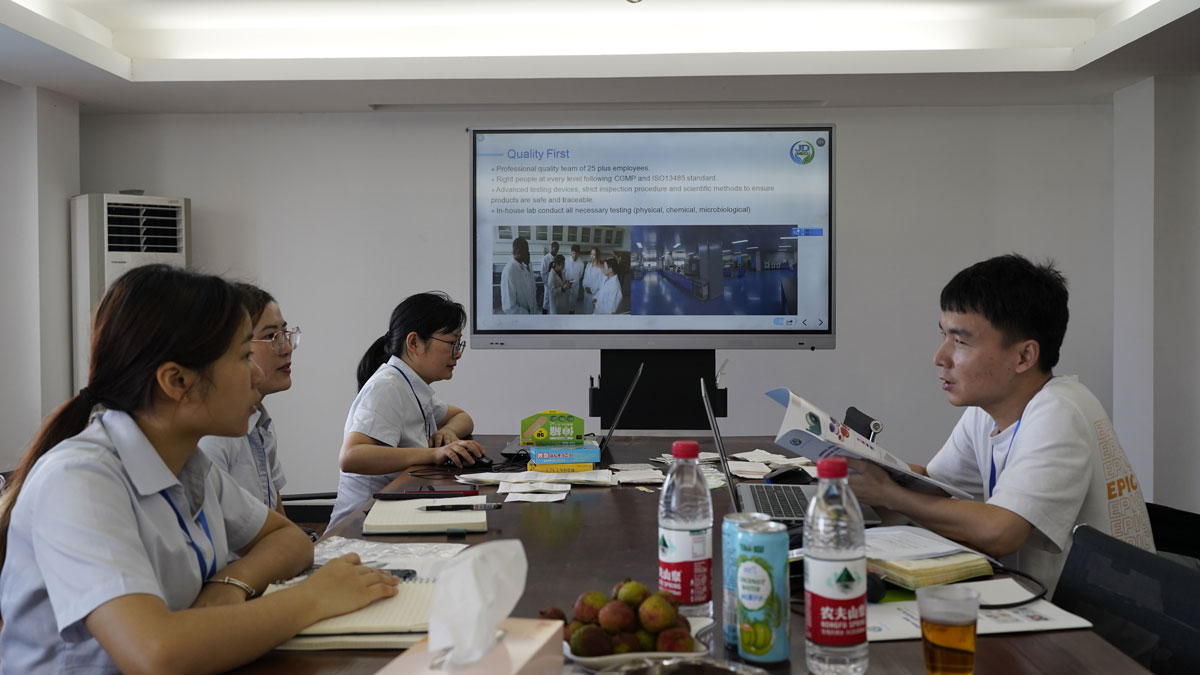
Third-Party Inspection: At Epic Sourcing, we provide quality control and factory audit services to make sure the product meets your expectations
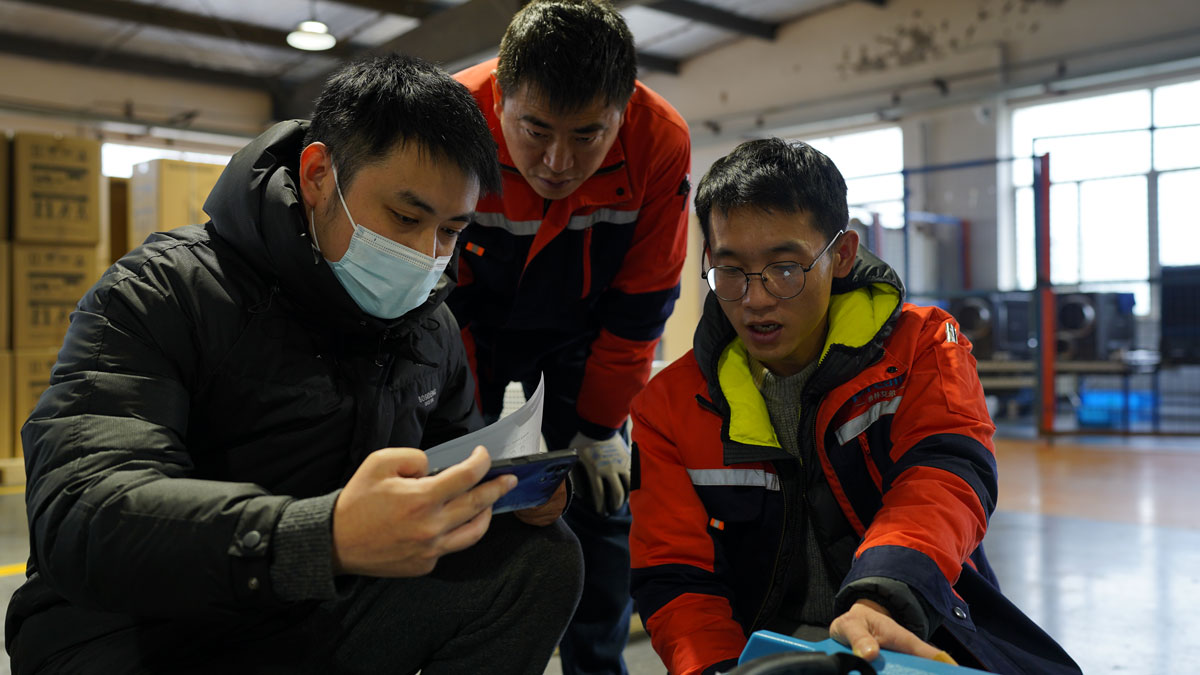
In-Person Visit: Visit during a sourcing trip to China. Epic Sourcing also provides sourcing tours where we arrange everything for you from the minute you land in China. Our bilingual experts help you navigate the chaos of Canton Fair finding you the best suppliers for your product.
Verify: infrastructure, production capability, QC processes, working conditions, business legitimacy, financial stability.
→ Read Our comprehensive Factory Audit Checklist
Step 5: Negotiate Smart
Don't just hammer on price, factories will cut corners.
Negotiate:
- Price at multiple quantities
- Payment terms (standard: 30% deposit, 70% before shipment, never 100% upfront)
- Lead times (production, materials, peak seasons)
- Quality standards in writing (acceptable defect rates: 2-3%)
- IP protection (NDAs, non-compete, mold ownership)
You're building a 3-year partnership, not chasing one deal. Learn more about the art of negotiating with Asian manufacturers here.
Step 6: Production Monitoring & Inspection
Request progress photos at 25%, 50%, 75% completion.
Pre-shipment inspection (critical): Inspectors check random samples, verify specs, test functionality, check packaging. Your last chance to catch problems before goods leave China. Discover best practices for managing product quality when importing from Asia.
Step 7: Shipping to NZ
Recommend FOB (Free on Board): Factory delivers to China port, you handle freight. Most control for NZ importers.
Costs & Timeline:
- 20ft container: $2,500-4,500 NZD (fluctuates by season)
- 40ft container: $3,500-6,000 NZD
- Ocean transit: 18-25 days
- Customs clearance: 2-5 days
- Total: 3-4 weeks dock-to-door
Note: Freight rates are indicative and vary significantly by season, route, and market conditions.
Avoid peak seasons: Chinese New Year (late Jan/Feb), Golden Week (early Oct), NZ Christmas (Nov-Dec). Order 8-10 weeks ahead of critical periods.
Read our comprehensive guide to shipping costs from China to NZ.
Step 8: NZ Customs & MPI Biosecurity
Your container has arrived at Ports of Auckland or Port of Tauranga. Understanding NZ customs is the foremost important thing to navigate this process.
Your customs broker will need:
- Commercial invoice from China factory
- Packing list
- Bill of lading
- Any compliance certificates
They'll:
- Submit entry to NZ Customs
- Calculate and pay GST (15% of landed value)
- Calculate and pay import duty (0-10% for most Chinese goods under NZ-China FTA)
- Arrange MPI biosecurity inspection if required
- Release goods for delivery
Step 9: Build Long-Term Relationships
- Pay on time (builds goodwill)
- Give feedback after orders
- Forecast future needs
- Visit annually if possible
- Introduce new products gradually
Clients working with the same factories for 8+ years get priority production, better terms, first access to new products, and partnership pricing.
How Much Does It Cost?
All figures are indicative and vary by product, volume, supplier, and current market rates.
Example: 1,000 units home décor to Auckland
- FOB China: $8,500
- Ocean freight: $3,200
- Insurance: $60
- Customs clearance: $200
- GST (15%): $1,794
- Import duty: $0 (FTA)
- Delivery: $180
- Total landed: $13,934 ($13.93/unit)
Compare to $22/unit from wholesaler = $8/unit savings = $8,000 additional margin per container.
Cost variables:
- Shipping seasonality (30-50% fluctuation)
- Product compliance (electrical: $800-2,500, food: $1,500-5,000+)
- Order volume (FCL vs LCL economics)
- NZ-China FTA benefits (most goods: 0% duty with Certificate of Origin)
Common Costly Mistakes
1. Chasing Lowest Price
If one quote is 30%+ below market, they're using inferior materials, cutting QC, or it's a trading company markup. Focus on 3-year value.
2. Ignoring IP Protection
Minimum: NDA, non-compete clause, mold ownership in writing. For serious development: design patents in China (NZ patents don't protect you there).
3. Poor Communication
Bad: "What's your best price?"
Good: "2,000 units SKU-441, quote QT-2024-033. Confirm: (1) FOB pricing, (2) lead time, (3) payment terms."
Use clear subjects, numbered questions, written confirmations. WeChat/WhatsApp for quick questions, email for documentation.
4. Underestimating Landed Costs
FOB ≠ landed cost. Add: inland freight China, ocean freight, insurance, clearance, GST, duty, MPI inspection, NZ delivery. Typically 30-50% above FOB.
5. No Backup Plan
Maintain relationships with 2-3 factories for critical products. Place small orders to keep backups warm.
Real World Example: Hoop33
Hoop33, a basketball equipment importer, faced quality control issues and communication difficulties with Chinese suppliers.
Epic Sourcing's approach:
- Identified and vetted suitable manufacturers
- Managed quality control processes on-ground
- Facilitated clear communication
- Ensured product specifications were consistently met
Results:
- Successful product launches
- Consistent quality maintained
- Reliable supply chain established
- Ongoing partnership enabling business growth
This demonstrates the value of local representation in China, catching issues before they become costly problems.
Common (and Costly) Mistakes NZ Businesses Make
I've seen the same mistakes repeated by New Zealand importers over and over. Let me save you the tuition fees.
Mistake #1: Chasing the Lowest Price
The cheapest quote is almost never the best deal.
If one China factory quotes you $15 per unit and everyone else is at $22-25, there's a reason. They're either using inferior materials, cutting corners on QC, underquoting to win business, or they're a trading company marking up a $12 factory quote.
I worked with an Auckland retailer who chose the cheapest quote for kitchenware. Product looked fine in samples. Production run came back with 22% defect rate. They couldn't sell them. Lost $38,000.
Focus on value over 3 years, not just the lowest price.
Mistake #2: Ignoring Intellectual Property Protection
If you're developing a custom product for the NZ market, you need IP protection.
Minimum protections:
- Signed NDA before sharing detailed specifications
- Non-compete clause (they won't supply your competitors)
- Mold/tooling ownership agreement in writing
For serious custom development, consider:
- Design patents in China (NZ patents don't protect you there)
- Trademark registration in China
- Contract manufacturing agreements
I've watched New Zealand businesses spend $40,000 developing a product only to see their China factory selling it on Alibaba six months later.
Learn about navigating intellectual property rights in product sourcing from Asia.
Mistake #3: Terrible Communication
Bad: "Hi, what's your best price?"
Good: "We need 2,000 units of product SKU-441 per your quote QT-2024-033. Can you confirm: (1) FOB pricing at this quantity, (2) production lead time, (3) payment terms?"
Communication best practices:
- Use clear subject lines
- Number your questions for easy reference
- Confirm important details in writing after calls
- Respect time zones (China is 4-5 hours behind NZ)
- Use WeChat/WhatsApp for quick questions, email for documentation
Mistake #4: Underestimating Total Landed Costs
New importers see the FOB factory price and think that's their cost.
Then they're shocked when the landed cost in Auckland is 40% higher.
Your real cost includes:
- FOB factory price
- Inland freight in China: $150-300
- Ocean freight: $2,500-4,500 per 20ft container
- Insurance: 0.3-0.5% of cargo value
- Customs clearance: $150-250
- GST: 15% of (FOB + freight + insurance)
- Import duty: 0-10% (often 0% under FTA)
- MPI inspection if needed: $200-600
- Delivery to NZ warehouse: $150-400
Mistake #5: No Backup Plan
What happens if your China factory has a fire, goes bankrupt, or quality suddenly drops?
Never become 100% dependent on a single factory for critical products.
Strategy: Maintain relationships with 2-3 factories for important product lines. Place small orders with backup suppliers to keep relationships warm.
Getting Started: Your Next Steps
If you've read this far, you're serious about sourcing products from China to New Zealand.
Here's exactly what to do next:
Step 1: Evaluate Your Readiness
Ask yourself:
- Am I spending $50,000+ annually on products from wholesalers?
- Can I handle 30% deposits and container payments?
- Can I store container quantities?
- Am I committed to long-term supplier relationships?
If yes to all four, you're ready.
Step 2: Choose Your First Product
Don't try to move your entire range at once.
Pick ONE product category that:
- Represents significant spending
- You understand well
- Has stable demand (not seasonal/trendy)
- You can order in reasonable quantities
Get wins. Build confidence. Then expand.
Step 3: Calculate Your Real Costs
Before contacting suppliers, know your numbers.
→ Calculate your landed cost to understand total costs including freight, GST, duty, and clearance to Auckland.
Work backwards from your retail price to determine your maximum FOB target.
Step 4: Get Expert Support
- Book a consultation with our team
- We'll discuss your products, volumes, and goals
- We'll outline exactly how we'd approach your sourcing
- No obligation, just a conversation
The Bottom Line: Is Sourcing from China to NZ Worth It?
I'm not going to tell you that importing from China to New Zealand is easy.
It's not.
There's a learning curve. There are risks. Things will go wrong occasionally.
But here's what I know after facilitating over 400 container shipments to NZ ports and helping 60+ New Zealand businesses establish direct supply chains:
For established NZ businesses with volume, direct sourcing from China is the single most effective way to improve your margins and competitive position.
The businesses thriving in New Zealand right now aren't the ones with the best locations or the flashiest marketing.
They're the ones who figured out their supply chain from China.
They're the ones who can weather economic downturns because they have margin to work with.
They're the ones developing unique products with China manufacturers that their competitors can't copy because they control manufacturing relationships.
You can keep buying from Auckland or Australian wholesalers. It's safe. It's easy.
Or you can take control of your supply chain and build a real competitive advantage.
The choice is yours.
But the math doesn't lie. And your competitors are figuring this out.
Work With Us: China Sourcing for New Zealand Businesses
We help New Zealand businesses source and manufacture products in China and Vietnam without the drama.
Our team is on the ground in China and Vietnam. We speak the language. We know the factories. We've been helping Kiwi businesses import successfully since 2018.
We're not here to mark up your products. We're here to give you the supply chain expertise and local presence in China you'd need to hire in-house without the overhead.
Our model is simple:
- We find and vet China suppliers based on your requirements
- We negotiate and set up the relationship
- We introduce you directly to the factory (no hidden middlemen)
- You own the relationship
- We provide ongoing support, QC, and problem-solving
You get professional sourcing expertise without losing control of your supply chain.
Ready to Start?
Book Your Free Consultation Today!
Epic Sourcing is a New Zealand-based sourcing and procurement agency specialising in China and Vietnam imports. Since 2018, we've helped 60+ NZ businesses establish direct manufacturing relationships. Our teams in China and Vietnam conduct factory audits, quality inspections, and manage the entire sourcing process for New Zealand importers.
Note: All cost savings, percentages, and financial examples in this guide are indicative and based on typical scenarios. Actual results vary significantly depending on product category, order volumes, supplier negotiations, shipping costs, compliance requirements, and current market conditions. These examples are for illustrative purposes only.
Related Articles

Let’s Make It Epic
We're here to make sourcing simple – and a whole lot less stressful.
We are experiencing a higher volume of enquiries than usual. Our standard reply time for form submissions and emails is within 72 hours.
If your matter is urgent, please schedule a video call using the link below.
