MPI biosecurity requirements trip up NZ importers every week. Epic Sourcing makes sure your goods are compliant before they leave the factory — so they don’t get held up, treated, or seized at the border.
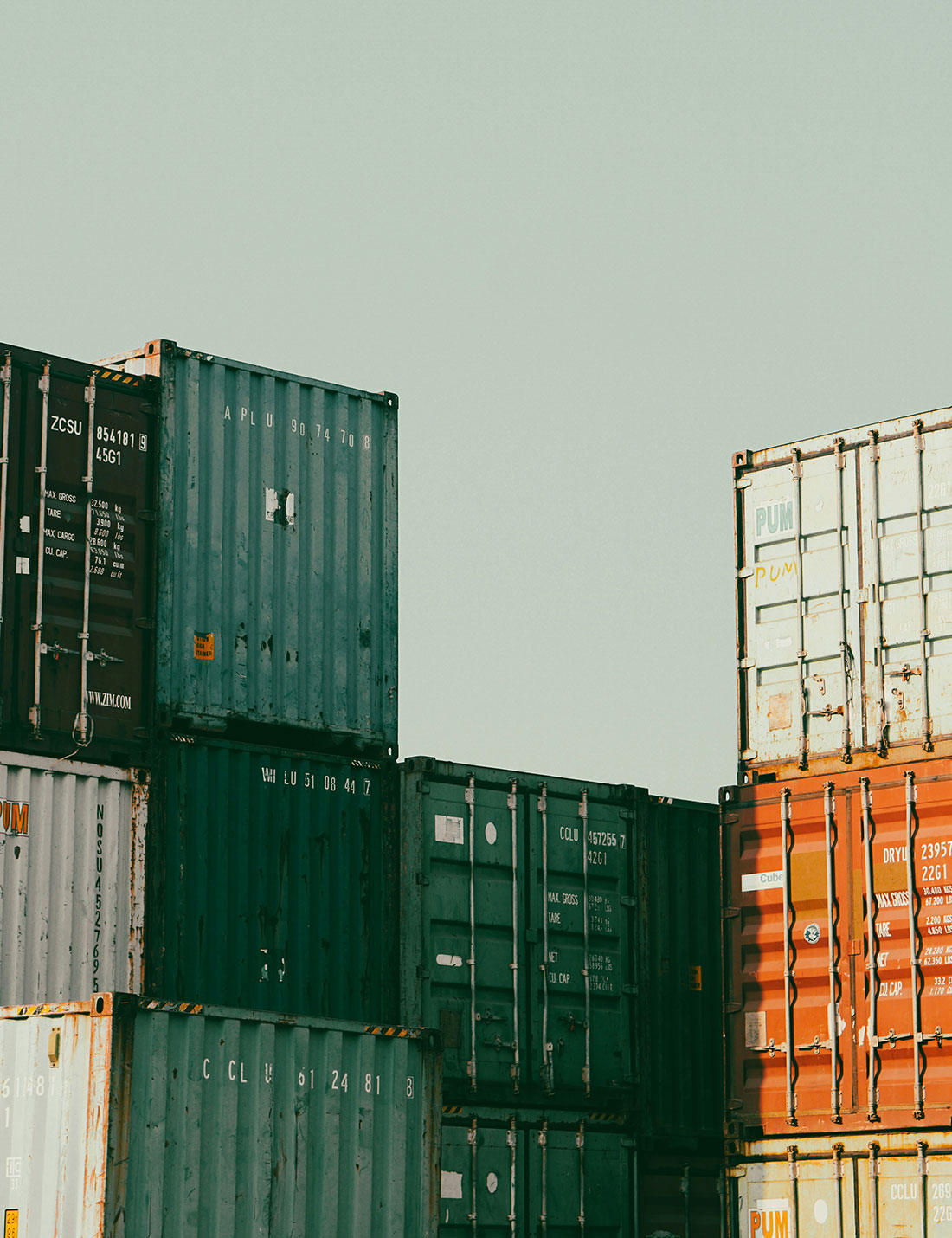
MPI’s biosecurity requirements exist to protect New Zealand’s unique environment. But for importers, they can feel like a minefield. We know the rules inside out — and we make sure your shipment is compliant before it ever leaves the factory.
We translate MPI’s Import Health Standards into plain English and tell you exactly what your product needs before it ships — no surprises at the border.
We connect you with trusted, cost-effective Approved Transitional Facility partners so your goods clear biosecurity inspection quickly and affordably.
Fumigation certificates, phytosanitary documents, MPI paperwork — we help you prepare everything correctly so your shipment doesn’t get held up on a technicality.
We identify biosecurity risks at the sourcing stage — not after your container is sitting at the Port of Auckland. Early planning saves you time, money, and stress.
New Zealand's biosecurity system is one of the strictest in the world. The Ministry for Primary Industries (MPI) is responsible for protecting New Zealand's unique environment, agriculture, and native ecosystems from pests, diseases, and contaminants that could arrive with imported goods.
For importers, this means that certain goods — particularly those made from organic, natural, or biological materials — must pass biosecurity inspection before they can be released into New Zealand. Get it wrong, and your goods can be held, treated, re-exported, or destroyed at your cost.
The good news: with the right preparation, biosecurity compliance is completely manageable. Epic Sourcing flags requirements at the sourcing stage — before your goods ever leave the factory.
Not every product needs biosecurity treatment. Risk is assessed based on material type and country of origin. High-risk categories include:
Electronics, plastics, metals, and synthetic materials generally carry lower biosecurity risk — but packaging and transport materials can still trigger requirements.
An ATF is a facility approved by MPI to receive, store, and manage imported goods while biosecurity inspection and clearance is completed. Goods that pose a biosecurity risk must arrive at an ATF before being released into New Zealand.
The ATF list is maintained by MPI and covers facilities across New Zealand — primarily in Auckland, but also at other major ports. Establishing your own ATF is expensive and complex. Most importers use an existing ATF as part of their freight and customs clearance process.
Epic Sourcing connects you with trusted ATF partners who can handle your clearance quickly and cost-effectively.
The documents required depend on your product type and country of origin:
Epic Sourcing coordinates this documentation with your Chinese or Vietnamese supplier before goods are loaded — so nothing is missing when your shipment arrives at the NZ border.
We include biosecurity compliance review as a standard part of our sourcing service. That means:
Our Mandarin and Vietnamese-speaking team communicates directly with factories — so documentation requirements land accurately and on time.
"We flag biosecurity requirements at the sourcing stage, not after your container is sitting at the port. That's the difference between a smooth import and a very expensive delay."
Book a free discovery call and tell us what you're importing. We'll identify any biosecurity requirements upfront and make sure your shipment arrives compliant and on time. No surprises at the port.
We’ve compiled a list of the most frequently asked questions to help you get the information you need.
Products containing organic materials are highest risk: wood, timber, bamboo, leather, wool, down, natural fibres, seeds, and soil. MPI assesses risk by material type and country of origin. Epic Sourcing flags requirements at the sourcing stage — not after your container arrives at the port.
An ATF is an MPI-approved facility where imported goods are inspected and processed to meet biosecurity requirements before release into New Zealand. Using an existing ATF is far cheaper than establishing your own. Epic Sourcing connects you with trusted ATF partners.
Yes, for most product categories involving wood, natural fibres, or organic packaging materials. Fumigation certificates prove treatment was completed before export. Epic Sourcing coordinates this with your Chinese supplier before goods ship — so your documentation is complete on arrival.
Goods can be seized, treated at your cost, destroyed, or re-exported. You may also face fines and increased scrutiny on future shipments. Early compliance planning prevents all of these outcomes — which is why we flag requirements at the sourcing stage, not the shipping stage.
Epic Sourcing includes biosecurity compliance review as part of the sourcing service on a flat project rate. There is no separate charge for flagging biosecurity requirements — it is built into the process from the start.
The /biosecurity-support page covers our compliance support service for businesses that need hands-on ATF coordination. This page is a comprehensive guide to MPI biosecurity rules for all NZ importers — covering which products are affected, what documentation is needed, and how to stay compliant.
Can’t find the answer you’re looking for? Send your questions to our friendly team.
We're here to make sourcing simple – and a whole lot less stressful.
We are experiencing a higher volume of enquiries than usual. Our standard reply time for form submissions and emails is within 72 hours.
If your matter is urgent, please schedule a video call using the link below.
Our pricing is built for growing businesses — clear, flexible, and packed with value. Let’s make sourcing simple — and affordable.
.svg)
