.svg)
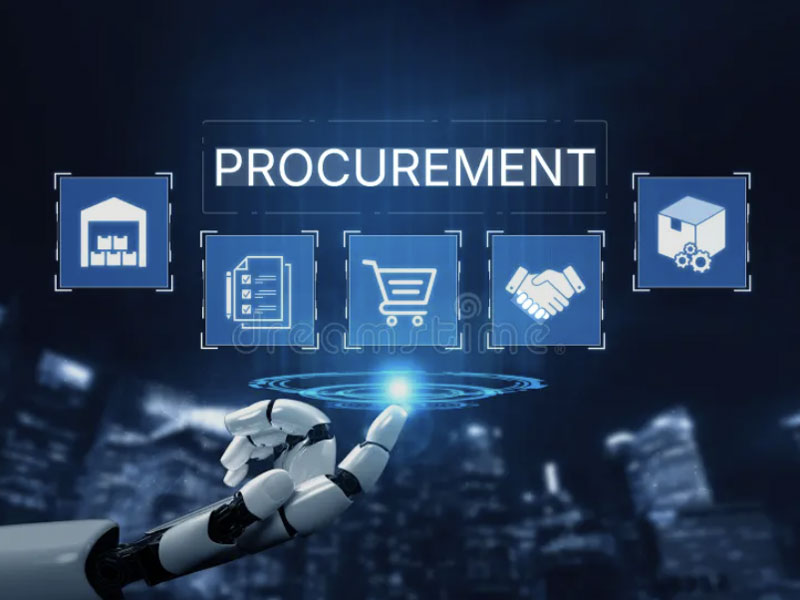
AI Tools for Sourcing Products

.svg)
Using AI for Supplier Sourcing: Everything NZ Importers Need to Know in 2025
Every second business owner I talk to right now is either terrified AI will replace their sourcing agent, or convinced it's going to magically solve all their supplier problems overnight.
Neither is true.
I've been managing supply chains between New Zealand and Asia for over a decade. In the last year, we've tested every AI tool we could find from ChatGPT to obscure "AI-powered supplier finders" that cost $500 a month. Some of these tools have changed how we work in concrete ways. Others were complete snake oil.
That is why we built Epic AI.
After watching hundreds of Kiwi businesses struggle with the same problems-screenshots saved from Instagram, confusing factory directories on Alibaba, language gaps, and costly supplier mistakes, we decided to solve it properly. Not with generic chatbots, but with a visual-first AI platform that connects you directly to verified manufacturers in China and Vietnam, backed by our on-ground teams who've been doing this for over a decade.
Here's what I'm going to show you: exactly how AI is changing product sourcing, why generic tools fall short, and how purpose-built solutions like Epic AI deliver results without the guesswork.
The Reality Check: What AI Can (and Can't) Do for Product Sourcing
I'm going to be honest with you: AI is brilliant at speed, terrible at judgment.
Last month, I used ChatGPT to draft technical specifications for a client's custom packaging order. A task that normally takes our team three hours? Done in 12 minutes. But, and this is critical, I still needed our Guangzhou team to physically verify the factory had the equipment they claimed. The AI couldn't tell me the supplier's "state-of-the-art UV printer" was actually a second-hand machine from 2015.
According to Stanford's 2024 AI Index Report, large language models still exhibit factual error rates of 10-15% on specialized business queries. That's fine for drafting emails. That's catastrophic when you're verifying whether a supplier's fire safety certifications are legitimate or if their "FDA-approved" materials actually meet NZ's stringent biosecurity requirements.
The bottom line? AI is powerful for research and matching, but it needs human expertise to close the deal safely.
What AI Actually Does Well (And Where It Falls Flat)
AI's Real Strengths:
- Visual product matching: Upload a photo of any product and instantly find manufacturers who can make it (this is exactly what Epic AI does snap a pic, find verified suppliers in seconds)
- Rapid supplier database searching: Analyzing thousands of manufacturer profiles in minutes instead of days scrolling through Alibaba
- Language assistance: Translating product specs and drafting professional communications with Asian suppliers
- Pattern recognition: Flagging pricing inconsistencies or suppliers with suspiciously low quotes
AI's Hard Limitations:
- Zero physical verification: Cannot inspect factory floors, verify equipment condition, or confirm actual production capacity, this is why Epic AI connects you with our on-ground teams in China and Vietnam
- No cultural intelligence: Misses negotiation nuance like when a Chinese supplier says "maybe possible" (they usually mean "no")
- Prone to hallucination: Generic AI will confidently invent ISO certifications or compliance details that don't exist
- Can't build trust: Sourcing from Asia is fundamentally relationship-based; AI cannot establish the face-to-face rapport that secures better terms
Real Example: A Christchurch homeware retailer used ChatGPT to verify a supplier's ISO 9001 certification by analyzing the PDF. ChatGPT confirmed it "looked legitimate." Our team took 30 seconds to check the certification body's official registry which expired two years ago. The supplier was recycling an outdated certificate.
This is why we built verification into Epic AI's workflow. The AI handles the visual matching and initial research, but our team verifies every supplier before you ever make contact.
The DIY Approach vs. Purpose-Built Sourcing Solutions
Most NZ businesses trying to use AI for sourcing end up cobbling together a messy tech stack. Let me show you what that looks like and why it's harder than it needs to be.
The DIY Tech Stack (What Most Businesses Try)
Step 1: Product Research
- Reverse image search on Google to find similar products
- Manual scrolling through Alibaba listings trying to match what you saw
- Saving screenshots, losing track of suppliers
- Time investment: 3-5 hours per product
Step 2: Supplier Communication
- ChatGPT to draft RFQ emails
- DeepL or Google Translate for Chinese suppliers
- Manual verification needed on every translation
- Time investment: 2-3 hours per supplier batch
Step 3: Quote Comparison
- Copy-paste quotes into Google Sheets
- Manually calculate landed costs (FOB + freight + NZ duty + 15% GST)
- Try to remember which supplier said what
- Time investment: 4-5 hours per quote round
Step 4: Supplier Verification
- Reverse-search factory photos on Google Lens
- Check business licenses (if you can read Chinese)
- Cross-reference reviews on Reddit/Alibaba forums
- Still no guarantee the factory is real
- Time investment: 2-3 hours per supplier (and you still might get scammed)
Total time to find ONE verified supplier: 15-20 hours
Success rate: Maybe 60% if you're experienced
How Epic AI Works (The Integrated Solution)
We watched businesses struggle with this exact workflow. That's why we built Epic AI to solve it end-to-end.
Step 1: Snap & Search (30 seconds)
- See a product you want to source? Take a photo
- Upload to Epic AI
- Our AI instantly searches our database of verified manufacturers in China and Vietnam
- Get matched with suppliers who actually make that product (not trading companies pretending to)
Step 2: Get Verified Information (2-3 days)
- Contact our team through the platform
- We provide accurate pricing, MOQs, and customization options
- All info comes from suppliers we've personally vetted with factory visits
- No language barriers, no miscommunication, no fake certifications
Step 3: Order Samples (1-2 weeks)
- Need to test quality before committing? We arrange samples
- Shipped directly to you in New Zealand for assessment
- Our QC team can inspect samples in-country if you prefer
Step 4: Place Your Order (We Handle Everything)
- Ready to order? We manage contract negotiation, production monitoring, quality control inspections, and shipping
- You own the supplier relationship directly-no hidden middlemen
- Transparent pricing with no supplier-side commissions
Total time to verified supplier + sample: 2-3 weeks
Success rate: 95%+ because our team has already verified every supplier in the platform
The difference? Epic AI combines visual AI matching (what generic tools try to do) with our decade of on-ground expertise in China and Vietnam (what generic tools can never do).
Generic AI Tools You Can Use (If You're Not Ready for Epic AI)
Look, not every business is ready to commit to a full sourcing platform. Maybe you're just exploring, or you only source once or twice a year.
If you want to try the DIY approach first, here are the tools that actually work-and where they fall short.
Tool #1: ChatGPT for Email Drafting
What it's good for:
- Drafting supplier RFQ emails in 2 minutes instead of 20
- Translating product specifications to Mandarin (always verify with a native speaker)
- Summarizing long inspection reports or contracts
Where it fails:
- Cannot verify if supplier information is accurate
- Misses cultural nuance in negotiations
- Will hallucinate certifications that don't exist
Cost: Free tier available, $20-30/month for ChatGPT Plus
When to use it: Email drafts, document summaries, basic research
When to use Epic AI instead: Finding and verifying actual suppliers
Tool #2: Perplexity AI for Market Research
What it's good for:
- Quick answers like "What are typical MOQs for custom silicone products from China?"
- Industry benchmarking before approaching suppliers
- Regulatory quick-checks (always verify with NZ Customs afterward)
Where it fails:
- Cannot connect you with actual manufacturers
- No supplier verification
- Information may be outdated or generic
Cost: Free tier (5 searches/day), $20/month for Pro
When to use it: Preliminary market research
When to use Epic AI instead: When you're ready to find real suppliers, not just research
Tool #3: Google Sheets + AI for Quote Comparison
What it's good for:
- Comparing multiple supplier quotes side-by-side
- Calculating landed costs (FOB + freight + NZ duty + GST)
- Flagging outlier quotes that need investigation
Where it fails:
- You still need to get those quotes yourself
- Manual data entry is time-consuming
- Doesn't verify if quotes are legitimate
Cost: Google Sheets (free) + AI extension ($10-20/month)
When to use it: If you're comparing 5+ quotes manually
When to use Epic AI instead: Our platform provides verified quotes from vetted suppliers in one place
The Pattern: Generic Tools Need Heavy Human Oversight
These tools are useful. We use ChatGPT and Perplexity ourselves for specific tasks.
But here's what they don't do:
- They don't connect you with verified manufacturers
- They don't eliminate the risk of scams or fake certifications
- They don't provide on-ground verification in China or Vietnam
- They don't handle negotiations, quality control, or shipping
That's why we built Epic AI. We took the useful parts of AI (visual search, instant matching) and integrated them with what actually matters: verified suppliers, transparent pricing, and expert support from our teams in Shenzhen, Guangzhou, and Ho Chi Minh City.
The Critical Mistakes NZ Businesses Make with AI Sourcing
I need to be blunt: I've watched three NZ businesses lose serious money in the last six months because they trusted generic AI too much.
One imported $28,000 worth of "certified organic" textiles that weren't actually certified-AI had analyzed fake certificates and confirmed they "looked legitimate."
Mistake #1: Trusting AI-Generated Supplier Information Without Verification
The Problem: Generic AI tools will confidently "hallucinate" certifications, factory addresses, and compliance details that sound plausible but are entirely fabricated.
A Wellington electronics importer asked ChatGPT: "Does [Supplier Name] have ISO 9001 certification?"
ChatGPT responded with specific certification details. The importer proceeded with a $35,000 order based on AI's confirmation.
Our team did a 30-second check on the certification body's official registry-the certification had expired three years ago.
The Fix: Always verify AI claims against primary sources. Better yet, use a platform like Epic AI where suppliers are pre-verified through physical factory audits. For more on manual verification, see our guide on finding legitimate Alibaba suppliers.
Mistake #2: Using AI for Cultural Negotiations
The Problem: AI can draft perfect emails but cannot read the room or understand Chinese business culture.
A Kiwi outdoor gear company used ChatGPT to draft a price negotiation email to a Chinese supplier. The email was technically flawless but culturally tone-deaf. The supplier ghosted them for two weeks.
In Chinese business culture, aggressive price negotiation via email-without acknowledging the relationship first-is seen as disrespectful. Learn more about effective communication with Asian suppliers.
The Fix: This is where Epic AI's human layer matters. Our team handles negotiations with cultural awareness and relationship sensitivity that AI cannot provide.
Mistake #3: Skipping Physical Verification
The Problem: AI can analyze documents but cannot verify whether a factory is real.
A Christchurch kitchenware importer ran supplier documents through ChatGPT. Everything "looked legitimate." They placed a $42,000 order without a factory visit.
The "manufacturer" was a trading company in a serviced office. The certifications were fake. The importer lost the entire deposit.
The Fix: For goods imported to New Zealand, MPI biosecurity inspections are mandatory for risk categories.
Epic AI solves this by connecting you only with suppliers our teams have physically visited. We conduct factory audits before adding any supplier to our platform. Generic AI cannot do this.
H2: When to Use Generic AI vs. When to Use Epic AI
Use Generic AI Tools When:
- You're doing preliminary market research on pricing or industry trends
- You need help drafting emails or translating basic communications
- You're comparing quotes you've already received from verified suppliers
- You have existing supplier relationships and just need efficiency tools
Use Epic AI When:
- You're trying to source a new product and don't know where to start
- You found a product (on social media, in a store, wherever) and want to manufacture it
- You've been burned by Alibaba scams or fake suppliers
- You don't have time for 20 hours of research per product
- You need verified suppliers, not just leads
- You want transparent pricing with no hidden commissions
- You need someone who speaks the language and understands the culture
According to Gartner research, 85% of large enterprises have adopted AI procurement tools, but SMBs face barriers: cost, complexity, and lack of integration. Epic AI was specifically built for small to medium NZ businesses, no enterprise overhead, no IT department required.
What Makes Epic AI Different from Generic AI Tools
Let me be very clear about what we've built and why it matters.
The Problem with Generic AI for Sourcing
ChatGPT, Perplexity, and other general AI tools are amazing at what they do. But they weren't built for product sourcing. They:
- Have no supplier database (you're still searching Alibaba manually)
- Cannot verify if suppliers are legitimate
- Don't have on-ground teams to visit factories
- Can't handle negotiations, sampling, or quality control
- Leave you doing 80% of the work yourself
How Epic AI Works Differently
1. Visual-First Product Matching See a product you want to source? Snap a photo. Our AI searches our verified manufacturer database and matches you with suppliers who actually make that product. No more scrolling through thousands of irrelevant Alibaba listings.
2. Pre-Verified Supplier Network Every supplier in Epic AI has been physically visited by our teams in China and Vietnam. We verify:
- Factory exists and owns production equipment (not a trading company)
- Certifications are current and legitimate
- Production capacity matches their claims
- Quality standards meet international requirements
This is what generic AI cannot do.
3. Expert Human Support AI handles the initial matching. Our supply chain specialists handle everything else:
- Accurate pricing and MOQ information
- Contract negotiation with cultural awareness
- Sample coordination and quality assessment
- Production monitoring and shipping logistics
4. Transparent, No-Commission Pricing We don't mark up supplier prices. We don't take commissions from factories. Our pricing is transparent from day one. You pay for our service, not hidden middleman margins.
5. You Own the Supplier Relationship Unlike traditional sourcing agents who hide supplier identities, we introduce you directly to manufacturers. You own the relationship. We're here to support, not control.
The Result
According to McKinsey's 2024 State of AI report, businesses using AI in supply chains report 20-30% time savings on administrative tasks.
Epic AI goes further: our clients report 85% time reduction in finding verified suppliers (2-3 weeks vs. 3-4 months of DIY searching), and 95% success rate in sourcing outcomes compared to 50-60% when using Alibaba alone.
How to Get Started with Epic AI
Option 1: DIY with Our Free Visual Search
- Go to epicsourcing.ai
- Upload a photo of the product you want to source
- Browse matched suppliers from our verified network
- Save products to your wishlist
- Contact our team when ready for pricing and next steps
Best for: Exploring options, early-stage research, building a product wishlist
Option 2: Book a Strategy Call with Our Team
If you're ready to move faster:
- Book a 15-minute consultation
- Show us what you want to source
- We'll provide supplier options, ballpark pricing, and realistic timelines
- If it makes sense, we handle everything from there
Best for: Businesses ready to source now, first-time importers who need guidance
Contact:
- Email: hello@epicsourcing.ai
- NZ: 0800 88 3742
- Australia: 1800 00 3742
The Bottom Line: AI is Powerful, But It's Not Magic
Here's what I've learned building Epic AI and testing every tool on the market:
Generic AI tools are useful for:
- Email drafting and translation
- Market research and benchmarking
- Document analysis and quote comparison
- Administrative efficiency
But they fail at:
- Verifying supplier legitimacy
- Physical factory inspection
- Cultural negotiation
- Quality control
- Actually connecting you with manufacturers
That's why we built Epic AI. Not to replace tools like ChatGPT (we use it ourselves), but to solve the problems generic AI cannot: finding verified suppliers, eliminating scams, and providing expert support from people who actually understand Chinese and Vietnamese manufacturing.
What to Do Next
If you're just exploring AI for sourcing: Try the generic tools first. Use ChatGPT for emails, Perplexity for research. See how far they get you.
If you're ready to actually source products: Try Epic AI's visual search. Snap a photo of what you want. See how fast you can find verified manufacturers compared to DIY Alibaba searching.
If you've been burned by fake suppliers or want expert guidance : Book a consultation with our team. We'll show you exactly how we verify suppliers and manage the entire sourcing process.
For more on our approach to sourcing, check out how we work or explore our guide on mastering sourcing from Asia.
AI won't replace sourcing expertise. But sourcing expertise powered by AI, like Epic AI, is changing everything.
Related Articles



Let’s Make It Epic
We're here to make sourcing simple – and a whole lot less stressful.
We are experiencing a higher volume of enquiries than usual. Our standard reply time for form submissions and emails is within 72 hours.
If your matter is urgent, please schedule a video call using the link below.
