.svg)
How to Start Importing Products for a Small Business in NZ (2026 Guide)

.svg)
Why 2026 Is a Great Time to Start Importing in NZ
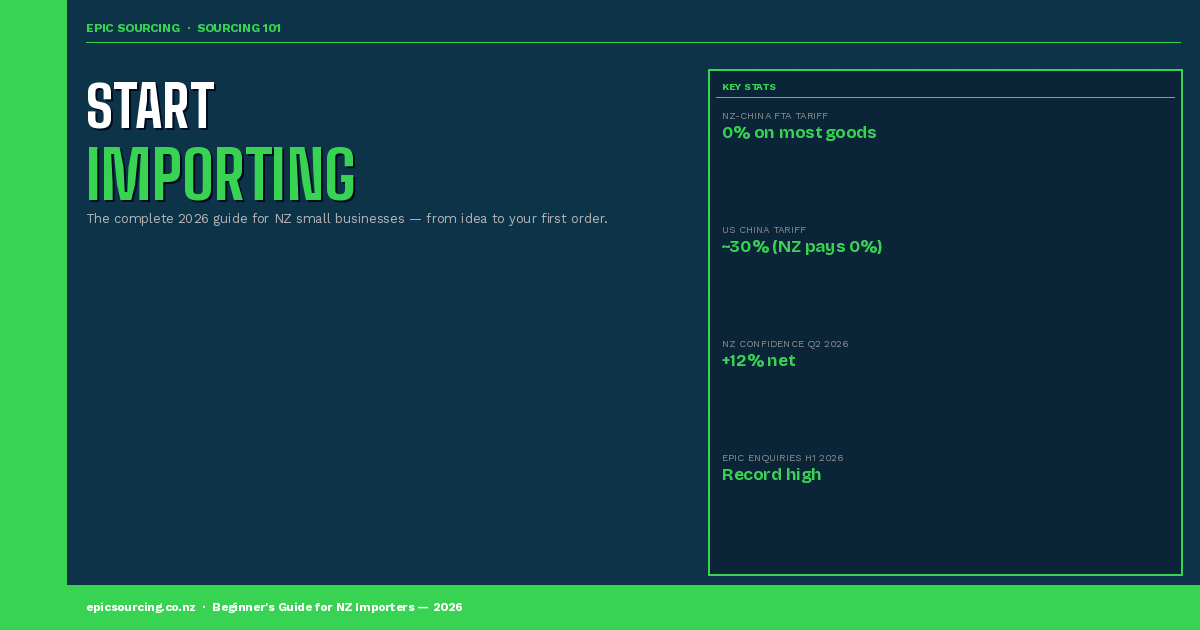
New Zealand business confidence has made a genuine recovery in Q2 2026, with a net 12% of firms now expecting the economy to improve over the next 12 months — up from just 1% in Q1. That's a meaningful shift, and it's driving more Kiwi entrepreneurs to take the plunge on product-based businesses.
The trade environment is also unusually favourable for NZ importers. Under the New Zealand-China Free Trade Agreement, NZ businesses pay 0% tariff on most manufactured goods from China. Meanwhile, US buyers are dealing with tariffs of around 30% on Chinese imports — so Kiwi importers enjoy a structural cost advantage that US competitors simply don't have. NZ-China two-way trade hit NZ$41 billion in 2025. The conditions are good. What you need now is a plan.
Step 1: Validate Your Product Idea Before You Spend a Dollar
The single biggest mistake new importers make is ordering stock before they've proven anyone actually wants it. Before you contact a single supplier, do your homework:
- Search your product on Trade Me, Amazon NZ, and major NZ retailers — is it already heavily commoditised, or can you find a genuine gap?
- Check Google Trends set to New Zealand — is search interest growing, flat, or declining?
- Browse Facebook Marketplace and Instagram to see if small NZ brands are already selling similar items, and at what price point.
- Talk to at least 10 potential customers in your network — would they actually buy this?
- Look at Alibaba pricing and work backwards to figure out whether the margin makes sense after freight, GST, and your sell price.
Sourcing Hack #1: The Google Trends Validation Test — Before emailing a single supplier, plug your product keyword into Google Trends and set the region to New Zealand. If search interest has been flat or declining for two years, reconsider. If it's growing — or seasonal and predictable — you're on solid ground. Free, takes five minutes, and could save you thousands.
Step 2: Choose the Right Sourcing Country
For most NZ small businesses, the answer is China — and for good reason. China offers the widest range of products, the most developed export infrastructure, and the lowest minimum order quantities on many item types. Alibaba, Global Sources, and 1688.com are your starting points for finding factories.
Vietnam is an increasingly compelling alternative, particularly for mid-to-premium furniture, textiles and garments, and brands where sustainability credentials matter. Labour costs in Vietnam are roughly 76% lower than China, and the upgraded AANZFTA trade agreement (in force since April 2025) makes tariff preferences even easier to claim. For most first-time importers: start with China. Once you've got one product working well, branch out.
Step 3: Understand Minimum Order Quantities
MOQs are the minimum number of units a factory will produce per order. Typical ranges by product type:
- Simple promotional products (tote bags, mugs, pens): 100–500 units
- Garments and apparel: 200–1,000 units per style/colour
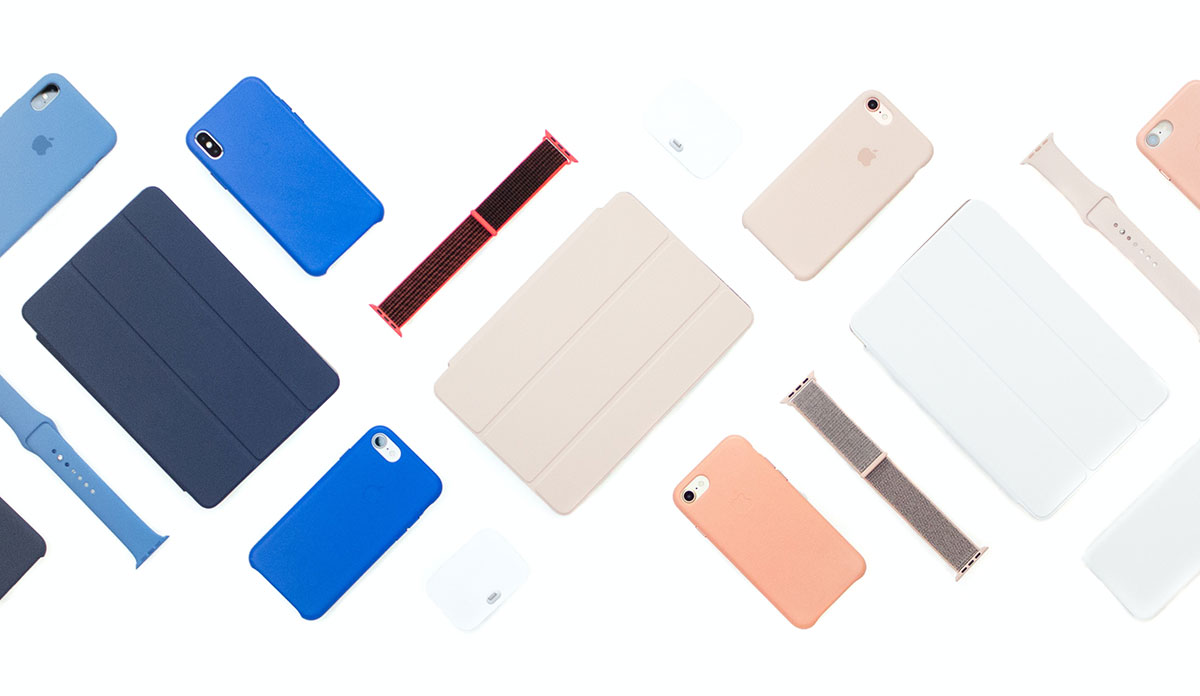
- Electronics accessories: 500–2,000 units
- Custom furniture: 50–200 pieces
- Personal care and supplements: 1,000–5,000 units
If an MOQ seems out of reach, negotiate (many factories will go lower for a price premium), find a trading company that aggregates smaller orders, or use Alibaba's small orders section that caters specifically to early-stage buyers.
Step 4: Always Order Samples First
Never place a full production order without seeing and testing samples first. Shortlist 2–3 suppliers, request a sample from each (expect NZD $50–$200, often refundable on your first production order), compare them side by side on quality, materials, and workmanship, and choose based on the best all-round result — not just the lowest price. Sample transit time from China via express courier: typically 5–10 working days.
Sourcing Hack #2: The 3-Quote Rule — Always get quotes from at least three different factories before committing to any supplier. It gives you a realistic market rate so no one can overcharge you, and gives you negotiating leverage. Even if you end up going with the first factory you found, you'll know you got a fair deal.
Step 5: Sort Your Freight, Compliance, and Customs
Key things to sort before your first shipment:
- Incoterms: Understand whether your quote is FOB (you arrange freight from port) or DDP (door-to-door). Most first-time importers use FOB with a NZ freight forwarder.
- Freight options: Sea freight (20–23 days from China to Auckland) is cost-effective for larger orders. Air freight (3–7 days, around USD $3.60/kg in July 2026) suits smaller, time-sensitive shipments.
- Customs and duties: NZ importers pay 0% tariff on most Chinese goods under the FTA. You'll still pay GST (15%) on the landed value, plus MPI biosecurity checks for wooden goods, natural fibres, or food items.
- Compliance: Electrical items, children's toys, and personal protective equipment need NZ/AS safety certification — confirm this before production, not after arrival.
- Customs broker: For your first import, use a licensed NZ customs broker. They'll handle the paperwork for a few hundred dollars and make sure nothing gets held at the border.
What's Your Next Move?
Starting an import business in NZ is genuinely achievable — you don't need a warehouse, a six-figure budget, or a decade of experience. The Epic Sourcing team works with Kiwi small businesses at every stage — from that first conversation through to a running import operation. Book a free 15-minute consultation at epicsourcing.co.nz and let's talk about whether importing makes sense for your business.
Related Articles

.webp)
Let’s Make It Epic
We're here to make sourcing simple – and a whole lot less stressful.
We are experiencing a higher volume of enquiries than usual. Our standard reply time for form submissions and emails is within 72 hours.
If your matter is urgent, please schedule a video call using the link below.
