.svg)

Is India the Next Big Sourcing Hub for NZ Businesses? What the 72% Trade Surge Means for You

.svg)
Why India is Having Its Moment
There's a new name coming up more and more in conversations with NZ importers, and it's not China or Vietnam — it's India. Trade between New Zealand and India has climbed 72% since Free Trade Agreement talks began, and that's not just a blip on the radar. It's a signal.
For Kiwi businesses that import physical products, India represents something genuinely exciting: a massive, increasingly sophisticated manufacturing base with lower labour costs, English-language business culture, and a government actively courting foreign buyers. If you've been relying solely on China, now might be the right time to at least look east — or west, depending on your map.
India's manufacturing sector has been growing steadily for years, but several factors have accelerated its attractiveness as a sourcing destination:
First, the global supply chain shake-up sparked by US-China trade tensions pushed many international brands to diversify away from China. India was a major beneficiary, attracting billions in foreign investment. That investment has lifted factory standards, quality control systems, and logistics infrastructure across key manufacturing hubs like Mumbai, Surat, Bengaluru, and Tamil Nadu.
Second, the India-New Zealand Free Trade Agreement negotiations have been building momentum. While no FTA is yet signed, the intent is clear — and trade volumes have already responded. The 72% rise in bilateral trade since talks began isn't coincidence.
Third, India offers something China increasingly doesn't: English-language competency at the factory floor level. Communication is genuinely easier, which matters when you're discussing specs, approvals, and quality requirements.
Sourcing Hack #1: Start with India's Sweet Spots — India excels in textiles, garments, leather goods, spices, handcrafted homewares, and natural wellness products. If your category aligns with these, India should be on your shortlist — prices can be 15–30% lower than comparable Chinese factories.
What Products is India Actually Good At?
India isn't trying to compete with China across the board — and it doesn't need to. There are specific categories where Indian manufacturers genuinely shine:
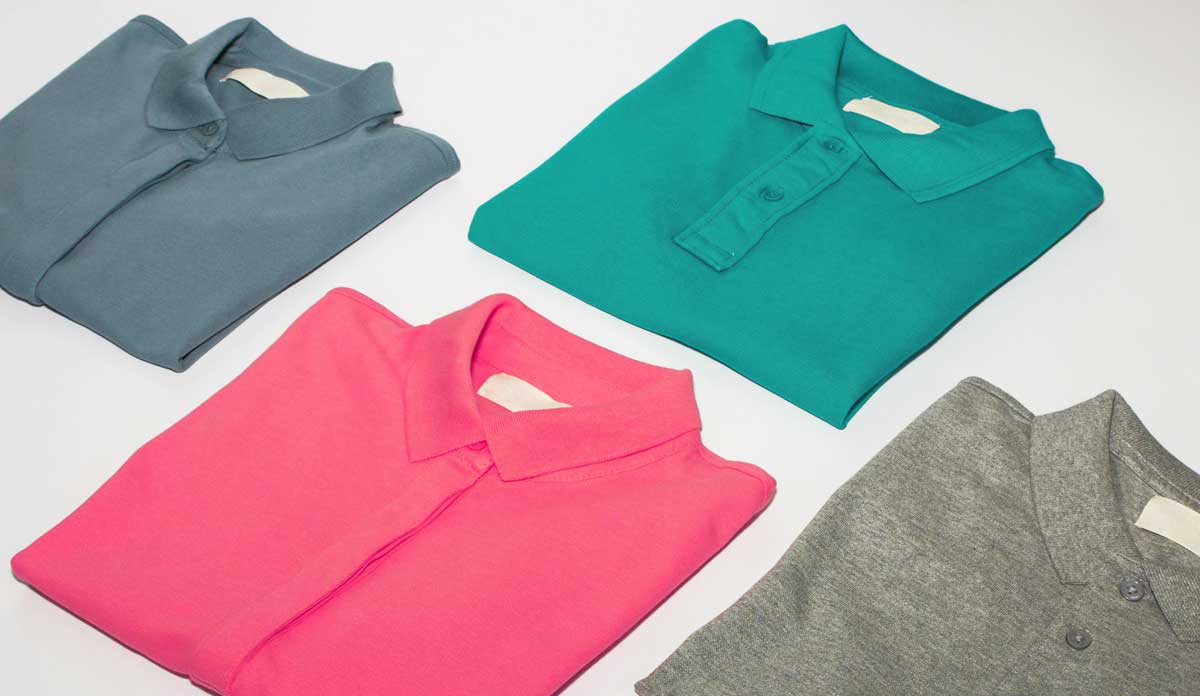
Apparel and Textiles: India is the world's second-largest textile producer. From organic cotton basics to high-end embroidered items and linen homewares, Indian garment factories have been producing for global brands like Zara, H&M, and Gap for decades.
Home Décor and Handcrafted Goods: Indian artisan clusters — Jaipur for block-print textiles, Jodhpur for wooden furniture, Moradabad for metalwork — produce incredible handcrafted goods with genuine stories attached. For NZ gift shops, lifestyle stores, and boutique interior designers, this is gold.
Wellness and Natural Products: India's pharmaceutical and nutraceutical sectors are world-class. Ayurvedic wellness products, herbal supplements, natural skincare, and essential oils are growing categories for NZ health retailers.
Leather Goods: Kanpur is one of the world's major leather processing hubs. If you're sourcing belts, bags, wallets, or footwear, India competes strongly with Chinese factories on both quality and price.
The Honest Challenges of Sourcing from India
India isn't without its complications. Lead times can be longer — especially for custom or handcrafted goods where production is less automated. What takes 3 weeks from Guangzhou might take 5–6 from Jaipur.
Quality consistency is more variable, particularly among smaller artisan suppliers. And logistics from India to New Zealand aren't as mature as the China-NZ corridor — shipping costs are typically higher per CBM, with fewer direct services meaning more transhipments.
Sourcing Hack #2: Calculate Your True Landed Cost — Indian FOB prices can look very attractive, but factor in higher freight costs to NZ and potentially longer payment terms. Request samples before committing — and when comparing to Chinese quotes, always compare landed cost, not just factory price.
How an NZ Business Actually Starts Sourcing from India
- Define your product category clearly — India's geographic specialisation means the right factory city matters enormously.
- Use IndiaMART, TradeIndia, or ExportersIndia to identify potential suppliers — India's equivalent of Alibaba.
- Request product samples before any bulk order. Indian suppliers are generally quite willing.
- Conduct or commission a factory audit before placing your first order.
- Use a sourcing agent who has existing relationships on the ground — especially important in India where personal relationships are central to business.
The India-NZ Opportunity: Who Should Be Paying Attention?
Not every NZ importer should pivot to India — but some really should be taking a serious look right now:
- Apparel and fashion brands looking for sustainable, provenance-led products that align with the 'made in India' story
- Homewares and gift retailers who want genuinely handcrafted, differentiated products
- Health and wellness brands sourcing supplements, botanicals, or natural skincare ingredients
- Any NZ importer wanting to reduce supply chain concentration risk
The 72% trade growth figure is a leading indicator, not a lagging one. It means NZ businesses are already moving. The question is whether you're ahead of that curve or playing catch-up.
Ready to explore India as a sourcing option? The Epic Sourcing team has contacts across India's key manufacturing hubs. Book a free consultation — no obligation, just straight-talking advice on whether Indian sourcing is right for your business.
Related Articles

Let’s Make It Epic
We're here to make sourcing simple – and a whole lot less stressful.
We are experiencing a higher volume of enquiries than usual. Our standard reply time for form submissions and emails is within 72 hours.
If your matter is urgent, please schedule a video call using the link below.
