.svg)
Quality Control Red Flags: 10 Signs Your Supplier Can't Be Trusted
.jpg)
.svg)
The Trust Problem in Chinese Manufacturing
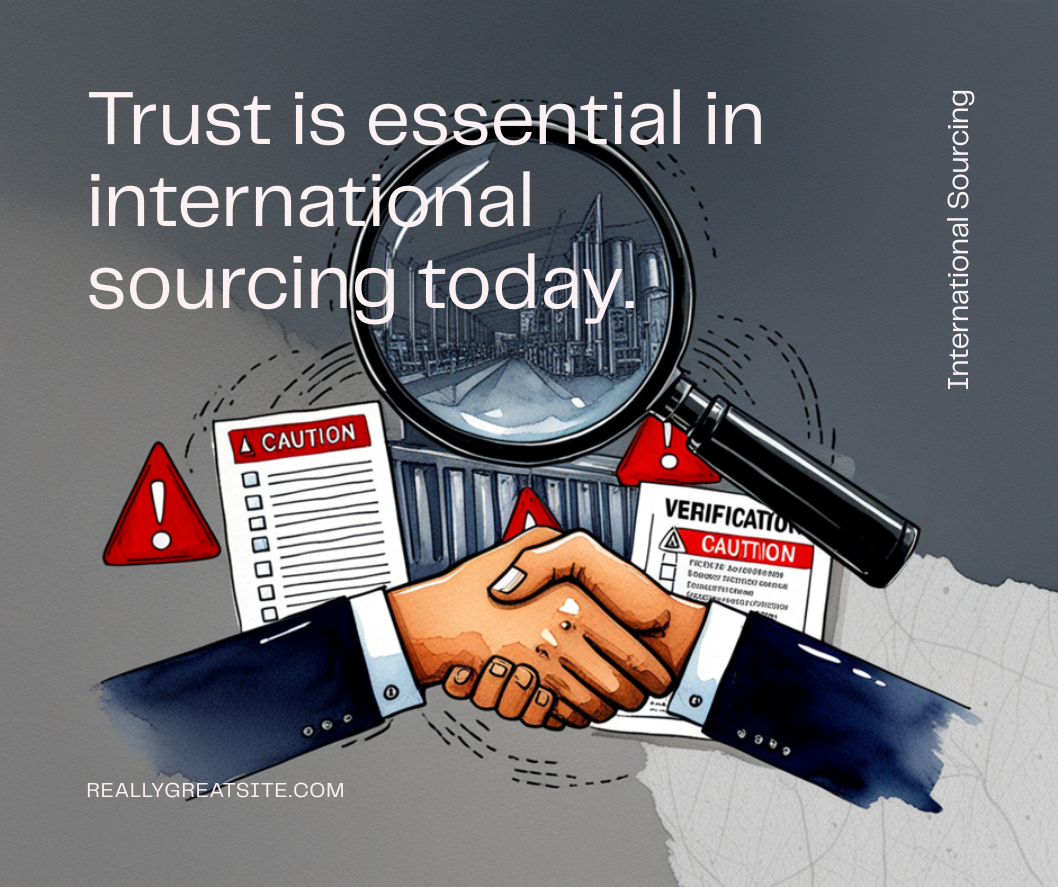
Most NZ importers who get burned by a Chinese supplier say the same thing afterwards: the signs were there, they just did not know what they were looking at. A supplier who turns out to be a middleman posing as a factory, a manufacturer who ships a completely different product to the one sampled, a contact who disappears after the deposit is paid — these are not random bad luck. They are patterns, and patterns can be recognised.
This guide covers ten of the most reliable warning signs that a supplier is likely to cause you problems. None of them are individually conclusive, but if you are seeing several of them with the same supplier, treat that as a serious signal before any money changes hands.
1. They Cannot or Will Not Show You Their Business Licence
Every legitimate Chinese company is legally required to hold a business licence (Yingye Zhizhao). A genuine factory asked for it should produce it within minutes. A supplier who says they do not have one, claims it is confidential, or keeps promising to send it without doing so is telling you something important. The business scope also matters: a company registered to trade goods cannot legitimately represent itself as a factory.
2. The Price Is Significantly Below Every Other Quote
When one supplier comes back 30 to 50 percent below everyone else, the correct response is scepticism, not excitement. Manufacturing has real cost floors. A price significantly below market usually means corners will be cut on materials or quality, the product specification will be switched after sample approval, or the quote is for a different spec than what you asked for. A legitimate factory can walk you through their cost structure. A scammer cannot.
3. They Resist Sending Samples or Want an Unusually High Sample Fee
Established factories sample new buyers regularly. A supplier who refuses to send samples, insists on a minimum order before sampling, or demands a disproportionately high sample fee is behaving unusually. USD $50 to $200 for most product categories is reasonable. A request for USD $500 to $1,000 for a standard consumer product, or a refusal to sample without a confirmed order, is a red flag.
4. Their Product Photos Are Stolen From Other Sources
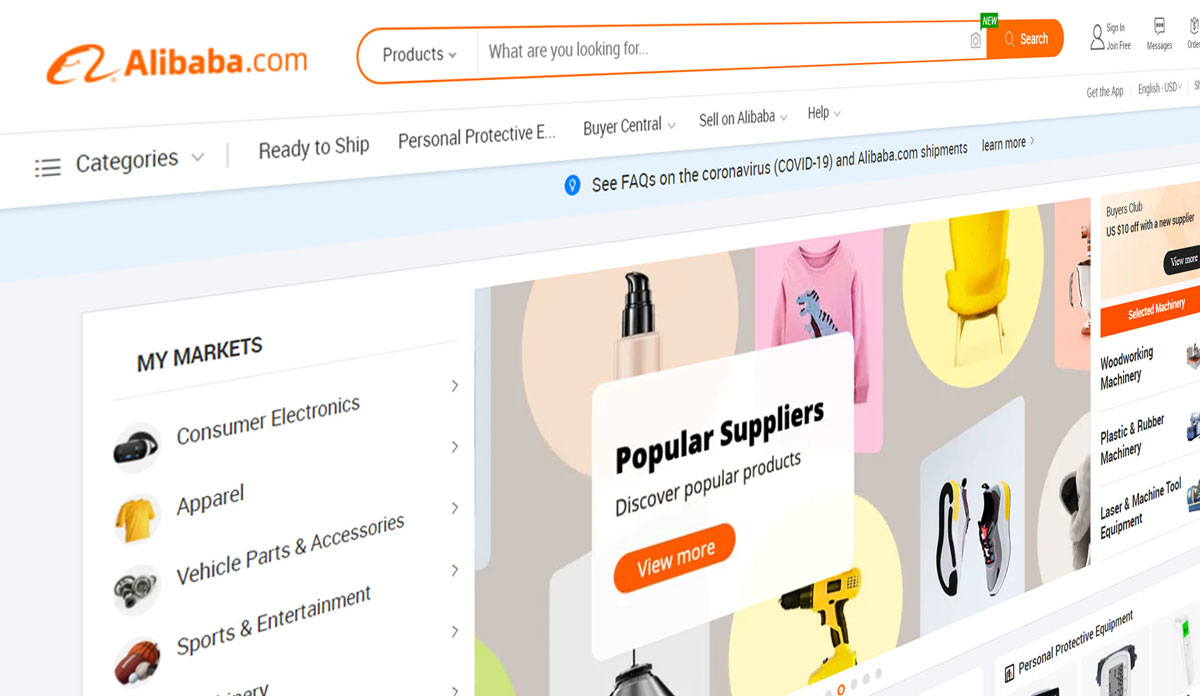
Reverse image search any product photo a supplier sends you using Google Images or TinEye. If the photo appears on multiple unrelated websites, the supplier has stolen it or is misrepresenting whose product it is. Trading companies and middlemen on Alibaba routinely list products they do not make using manufacturer photos.
5. They Cannot Answer Specific Technical Questions About Their Own Product
A genuine manufacturer knows their product in detail. Ask specific questions about manufacturing processes, materials, machinery, tolerances, or QC procedures. A factory will answer clearly and confidently. A middleman will deflect, give vague answers, or disappear for days before returning a copy-pasted catalogue response.
6. They Push You Toward a Large First Order With No Sample Stage
Legitimate factories want you to approve a sample before production. Pushing for a large first order with no sample stage is the behaviour of someone trying to collect payment before you discover there is a problem. Any supplier who says “skip the sample, just order 500 units” is giving you a clear reason to walk away.
7. Their Communication Is Inconsistent or Evasive
Do they answer questions directly, or respond to a quality question with a paragraph about pricing? Do they disappear for days without explanation? Evasive communication before the order is a reliable preview of how they will communicate when there is an actual problem.
8. They Cannot Provide References From Other International Buyers
An established export factory will have references. Ask for contact details for two or three other international buyers. A supplier who cannot produce a single verifiable reference has not demonstrated the trading history they are probably claiming.
9. The Bank Account Does Not Match the Company Name
Verify that payment details match the company name on the business licence and contract. A request to pay a different company, or an individual, should stop any payment immediately. Confirm payment details by phone or video call before transferring any funds.
10. They Disappear After Receiving the Deposit
The most common form of supplier fraud is deposit collection followed by disappearance. The best protection is completing proper verification before payment: confirm legal existence through database checks, verify the business licence, and never pay a full deposit to an unverified supplier. A reasonable first-order deposit is 30%, with the balance due before shipment after a passed pre-shipment inspection.
How Epic Sourcing Protects NZ Importers
At Epic Sourcing, supplier verification is a core part of what we do. We run business licence checks, cross-reference government databases, check trading history, and where warranted arrange factory visits — all in Mandarin, which means we are not relying on translated email to assess credibility. If you are evaluating a supplier before committing to an order, contact the Epic Sourcing team.
Related Articles




Let’s Make It Epic
We're here to make sourcing simple – and a whole lot less stressful.
We are experiencing a higher volume of enquiries than usual. Our standard reply time for form submissions and emails is within 72 hours.
If your matter is urgent, please schedule a video call using the link below.
