
Custom Manufacturing Procurement: A Guide for NZ Businesses


Last updated: 20 November 2026
Custom manufacturing procurement means finding a factory, briefing it, and managing the order so it makes your own design. For Kiwi businesses, that factory is often in China or Vietnam. The steps are a clear brief, samples, production, checks, and shipping to NZ.
Free Download: Vetted Supplier List Preview
See what a properly vetted supplier record contains, field by field, before you brief a factory.
Download the Free Preview ↗How is custom manufacturing different from buying stock products?
With custom work, the factory makes something that doesn't exist yet. That means more steps and more decisions.
- You own the spec: the factory follows your design, so gaps in the brief become gaps in the product.
- Tooling may be needed: tooling means moulds or fixtures made just for your product, often paid for up front.
- Samples come first: expect at least one round of samples before production.
- Minimum order quantities: the MOQ is the smallest order a factory accepts, and custom products often need larger first orders than stock items.
- Longer lead times: design, tooling, and sampling all add time before the first shipment.
How do you brief a factory for a custom product?
Give the factory everything it needs to quote and build, in one clear document. A strong brief saves weeks of back and forth.
- Drawings or CAD files: CAD means computer-aided design. Include key measurements and tolerances, which are how far a size can vary and still pass.
- Materials: name the exact material, grade, and finish, such as 304 stainless steel with a brushed finish.
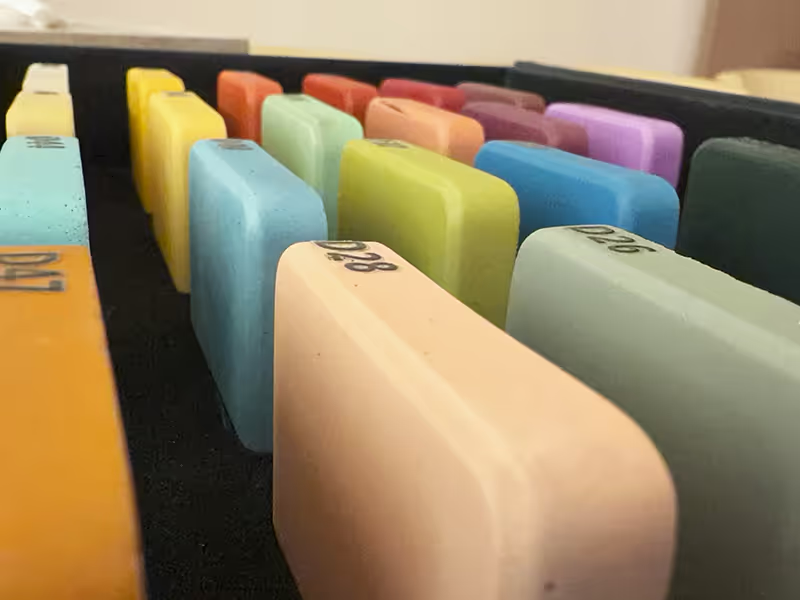
- Colours: use a recognised colour code, not a word like navy.
- Branding: logo placement, size, and method, such as printing or embossing.
- Packaging: inner packs, cartons, and labels, including any requirements for New Zealand.
- Order details: target quantity, target price, and when you need goods landed.
- Quality standards: what counts as a defect, and how many are acceptable.
Sourcing Hack: Attach photos of products you like and products you don't. Factories understand pictures faster than paragraphs.
How do you choose the right custom manufacturer?
Pick a factory that already makes products like yours, in similar materials, at a similar order size. Fit matters more than a fancy showroom.
- Check proven capability: ask to see similar custom work, and request samples.
- Factory or trader: confirm who makes the product in its own building, and whether you can visit.
- Ask about tooling ownership: agree in writing that you own any tooling you pay for.
- Protect your design: NZ registered designs don't protect you in China or Vietnam. China needs its own design patent. Sign a no-copy agreement before sharing full drawings.
- Check the business: confirm its business licence and capability before any deposit. You can get your supplier verified first.
Before you commit, run through the manufacturer red flags checklist.
What drives the cost of a custom product?
Six things set the price of a custom product: materials, complexity, tooling, order size, packaging and branding, and testing. Freight, duty, and GST come on top.
- Materials: higher grades and special finishes cost more, so match the material to how you'll use the product.
- Complexity: more parts, tighter tolerances, and extra assembly steps all add labour.
- Tooling: a one-off cost that's spread across every unit you make with it.
- Order size: bigger runs usually lower the unit price, but tie up more cash in stock.
- Packaging and branding: custom boxes, inserts, and printed logos add cost per unit.
- Testing and compliance: some products need lab tests to meet NZ safety rules. A CE or FCC mark isn't recognised in New Zealand, so don't treat it as a pass.
- Freight, duty, and GST: GST is 15%, and Customs generally collects duty and GST on goods over NZ$1,000. See NZ Customs importing guidance.
Ask each factory for a quote broken down by these parts. It shows where a small design change could save money.
How do you keep a custom order on track?
Set clear checkpoints and check each one before moving on. Problems are cheapest to fix early.
- Sign a golden sample: the approved sample becomes the standard for production.
- Confirm specs in writing: the purchase order should list materials, colours, packaging, and the sample reference.
- Approve a pre-production sample: a few units made on the line that will run your order, before the full run.
- Inspect during production: catch issues while there's still time to fix them.
- Inspect before shipping: check goods against the golden sample before the final payment.
- Link payments to milestones: such as sample approval and a passed inspection.
What NZ rules apply to custom products?
Every import goes through NZ Customs, and some need MPI biosecurity checks. Clearing Customs isn't permission to sell.
- Biosecurity: MPI import health standards cover some manufactured goods, such as woodware, wooden panels, and dried or preserved plant material. Wooden pallets and crates must meet the ISPM 15 treatment standard.
- Product safety: some goods must meet mandatory product safety standards before they can be sold here.
- Electronics: some electrical products need the RCM mark, and some radio transmitters need R-NZ compliance. See Radio Spectrum Management.
- Design rights: if your design matters, file overseas within six months of your NZ filing to keep your NZ priority date. See IPONZ designs guidance.
Want the whole custom project handled for you? See our end-to-end sourcing service.
FAQs
What is custom manufacturing procurement?
It means finding a factory, briefing it, and managing the order so it makes a product to your own design, from sample through to delivery.
What is the difference between custom and white label products?
A white label product is an existing design with your brand added. A custom product is made to your own design, so it needs a full brief, samples, and often tooling.
Do I have to pay for tooling?
Often, yes, for products that need tooling: moulds or fixtures made just for your product. Agree the cost, and that you own the tooling, in writing first.
Why is the minimum order quantity higher for custom products?
The minimum order quantity (MOQ) is the smallest order a factory will accept. Factories need to cover setup, materials, and tooling, and larger runs spread those costs.
How do I protect my design?
NZ registered designs don't protect you in China or Vietnam, and China needs its own design patent. Sign a no-copy agreement before sending full drawings, and talk to an IP lawyer about filing overseas within six months to keep your NZ priority date.
Do I pay GST and duty on custom products?
GST is 15%. Customs generally collects duty and GST on goods worth more than NZ$1,000. Alcohol, tobacco, and goods that are part of a larger consignment are exceptions.
Is a CE or FCC mark enough to sell in NZ?
No. CE and FCC marks aren't recognised in New Zealand. Some electrical products need the RCM mark, some radio transmitters need R-NZ compliance, and some goods must meet NZ product safety standards.
How long does a custom order take?
It depends on the product. Design, tooling, sampling, production, and shipping all add time, and factories typically close for several weeks around Chinese New Year. Plan well ahead of your launch date.
Can a sourcing agent manage custom manufacturing for me?
Yes. A sourcing agent can brief factories, compare quotes, manage samples, and inspect goods before they ship. At Epic Sourcing NZ, we handle custom products from brief to delivery.
Got a custom product in mind? A clear brief is the best place to start.
Have a custom product to make?
Book a free 15-minute sourcing consult with Epic Sourcing NZ.
Book a Free 15-Minute ConsultPrefer a direct link? Book your free call here.
Related Articles

Let’s Make It Epic
We're here to make sourcing simple – and a whole lot less stressful.
We are experiencing a higher volume of enquiries than usual. Our standard reply time for form submissions and emails is within 72 hours.
If your matter is urgent, please schedule a video call using the link below.
