.svg)
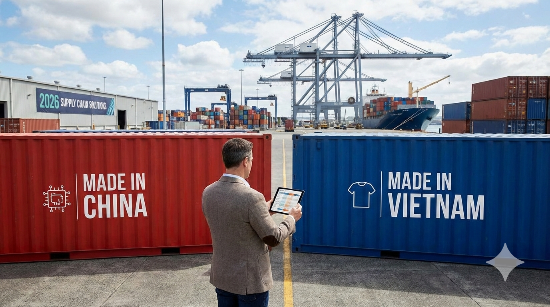
Vietnam vs China Manufacturing 2026: Which Is Right for Your NZ Business?
.jpg)
.svg)
Why This Question Matters More in 2026
A few years ago, "China or Vietnam?" was a question mostly asked by large brands diversifying their supply chains. In 2026, it's a question we're hearing from Kiwi businesses of all sizes — from solo eCommerce operators to established importers placing serious volume.
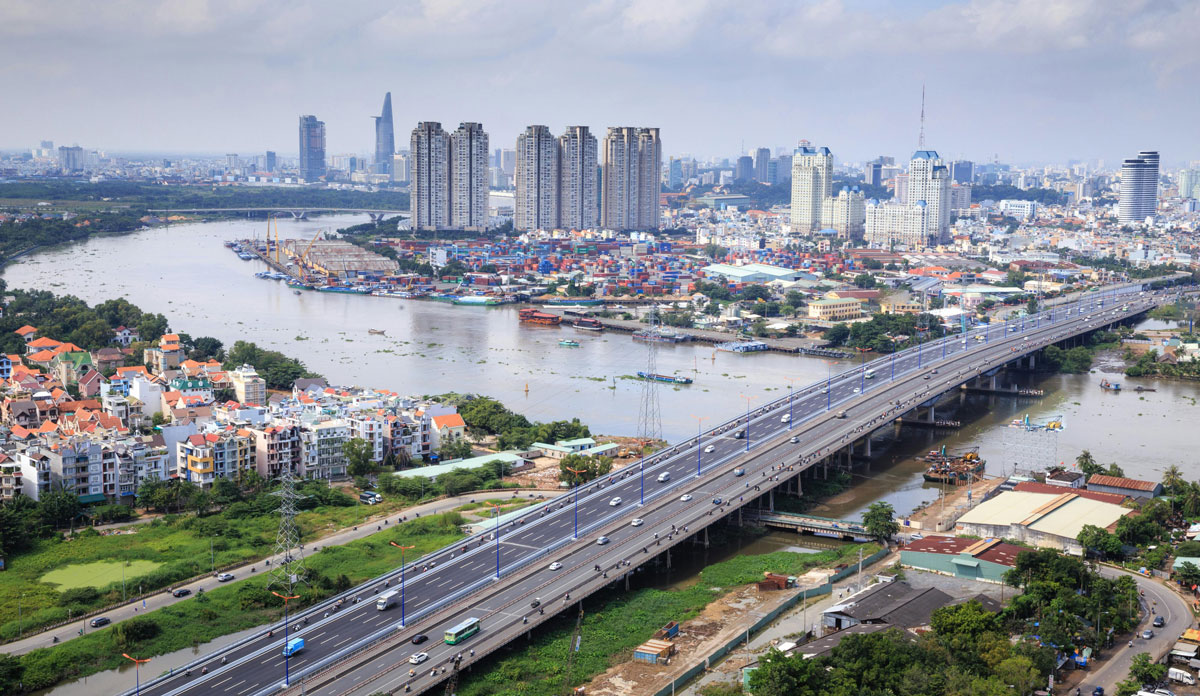
The reason is simple: the global manufacturing landscape has shifted. US-China trade tensions and tariffs have accelerated the movement of production out of China into Southeast Asia, particularly Vietnam. That shift has made Vietnam's factory base more sophisticated, more competitive, and more accessible than ever before. At the same time, China's manufacturing sector hasn't stood still — it's moved upmarket, investing heavily in automation, materials science, and complex production capabilities.
For New Zealand importers, the question isn't really "which country is better?" It's "which country is better for my specific product, at my volume, with my timeline?" This guide will help you answer that.
China: What It Still Does Best
China remains the world's largest and most diversified manufacturing base, and for many product categories it's still the clear first choice for Kiwi importers.
Scale and product diversity
China can manufacture almost anything, at almost any volume. From electronics to furniture, textiles to building materials, industrial components to consumer goods — the breadth of what's available in China is unmatched. Vietnam is growing fast, but it's still concentrated in a narrower range of industries.
Lower MOQs for complex products
Because China's factory ecosystem is so deep, you'll often find more suppliers competing for your business, which drives down minimum order quantities. For Kiwi businesses testing a new product at modest volumes, China frequently offers more flexibility.
Established infrastructure
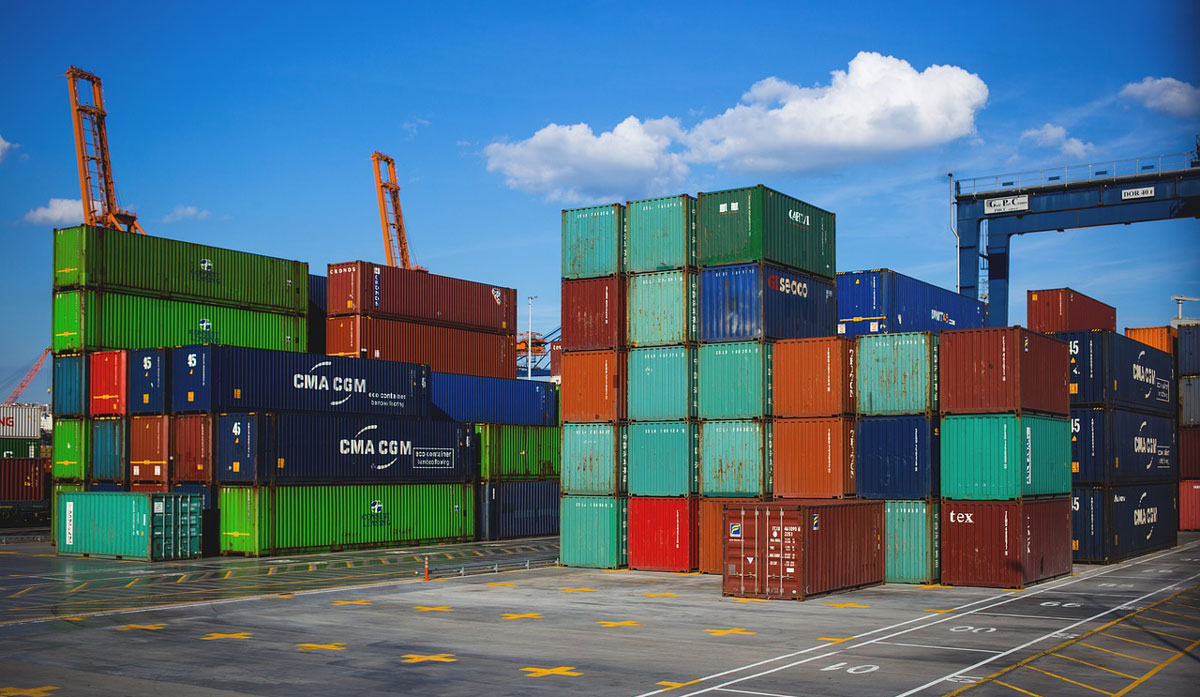
China's export infrastructure — ports, logistics networks, freight forwarders, customs documentation — is the most developed in the world. The process of getting goods from a Chinese factory to Auckland is well-trodden, and experienced service providers are easy to find.
Electronics and technology
This is arguably China's greatest strength for NZ importers. The component supply chains for electronics are concentrated in China to a degree that Vietnam simply can't match yet. If you're sourcing anything with circuit boards, batteries, displays, or complex assemblies, China is almost certainly where you want to be.
Customisation and private label
China's factories have decades of experience working with international buyers on custom products. Tech packs, samples, small-batch customisation, private labelling — all of this is deeply embedded in how Chinese manufacturers operate.
Vietnam: Where It's Pulling Ahead
Vietnam has been the fastest-growing major manufacturing destination in the world over the past decade, and the pace of development is continuing in 2026.
Labour cost advantage
Labour costs in Vietnam are approximately 30-40% lower than in China, and that gap hasn't closed as quickly as many predicted. For labour-intensive products — clothing, footwear, furniture, bags, homewares — this translates directly into better factory pricing.
Textiles, apparel, and activewear
This is Vietnam's strongest suit for NZ importers. Vietnam is the world's third-largest garment exporter, and its factories have developed genuine expertise in quality construction, fabric sourcing, and working with international brand requirements. If you're building a clothing, activewear, or accessories brand and you're not looking at Vietnam, you're likely leaving margin on the table.
Wooden furniture and homewares
Vietnam has abundant timber resources and a deep tradition of skilled craftsmanship. Wooden furniture, rattan, bamboo products, and home décor are areas where Vietnamese manufacturers frequently outperform Chinese equivalents on both quality and price.
Geopolitical risk reduction
Supply chain disruption from US-China trade friction, shipping bottlenecks, and COVID-era factory closures has made a lot of importers nervous about single-source dependency on China. Vietnam offers a genuine alternative that lets you spread your risk — and many of Epic Sourcing's NZ clients now run parallel supply chains across both countries.
Trade agreement benefits for NZ importers
This is the one most Kiwi businesses don't know about: New Zealand and Vietnam are both members of the CPTPP (Comprehensive and Progressive Agreement for Trans-Pacific Partnership), which has eliminated or significantly reduced tariffs on a wide range of goods. Combined with the RCEP agreement, which covers both China and Vietnam, NZ importers are in a genuinely strong position to leverage both sourcing destinations with reduced trade costs.
Head-to-Head Comparison: The Key Factors
Cost
China is cheaper for high-volume, automated manufacturing. Vietnam wins on labour-intensive production. For products where labour is the dominant cost — apparel, hand-assembled goods, woodwork — Vietnam often delivers 15-25% better factory pricing than comparable Chinese suppliers.
MOQs
China generally wins on minimum order quantities, particularly for complex or electronics-heavy products where the supply ecosystem is deeper. Vietnam's factories are increasingly flexible, but for very small first orders, China still has the edge.
Lead Times
Comparable. Both countries are 18-25 days sea freight to Auckland. Factory lead times vary by product and supplier in both markets. Neither has a consistent structural advantage here.
Quality
Neither country has a quality advantage across the board — it entirely depends on the factory, the product, and the oversight you put in place. Both markets have excellent factories and poor ones. Quality control and factory auditing are just as important whether you're sourcing from Guangzhou or Ho Chi Minh City.
Intellectual Property Protection
China has improved significantly, but IP risk is still a real consideration, particularly for novel product designs or proprietary technology. Vietnam's IP environment is generally considered lower risk, partly due to CPTPP commitments around IP standards.
Communication and Relationship Management
English proficiency among factory-level staff is improving in both countries, but management-level communication is generally stronger in China's export-oriented manufacturing hubs. Vietnamese suppliers are catching up fast, particularly in industries with high international buyer activity like garments and furniture.
Biosecurity Risk for NZ
Both countries carry biosecurity considerations for NZ importers — wooden products, natural materials, and certain textiles from both China and Vietnam require ISPM 15-compliant packaging and may be subject to MPI inspection. This risk is roughly comparable across both sourcing destinations. Our NZ biosecurity guide covers what you need to know before you ship from either country.
Which Products Belong Where: A Practical Guide
Source from China
Electronics, circuit boards, and tech accessories; plastics and injection-moulded goods; complex machinery and industrial components; toys and games; building materials (steel, aluminium, concrete products); products requiring extremely high volume price points; anything needing highly automated production.
Source from Vietnam
Clothing, activewear, and sportswear; footwear and bags; wooden furniture and homewares; rattan, bamboo, and natural material products; canvas, linen, and natural textile goods; hand-assembled or hand-finished products; products where ethical sourcing and modern slavery compliance are a priority.
Could go either way — compare both
Outdoor furniture and garden products; pet products; packaging materials; promotional merchandise; kitchen and cookware; personal care accessories.
The Case for Doing Both
Here's what we've found working with hundreds of Kiwi importers: the most resilient supply chains aren't built around a single country. They're built around the right factory for each product line.
Many of our clients now source their hard goods and electronics from China while running their apparel or homewares production through Vietnam. This approach gives them pricing flexibility, risk diversification, and the ability to pivot if one supply chain hits turbulence.
It also gives them a negotiating edge. When your Chinese suppliers know you have Vietnamese alternatives being evaluated, and vice versa, you're in a stronger position on pricing and terms.
What's Changed in 2026: The Tariff Context
One thing that's shifted the calculus significantly in 2026 is the ongoing impact of US-China tariffs. While New Zealand doesn't apply US tariff rates to Chinese goods, the ripple effects on global manufacturing have been real. Production capacity that shifted from China to Vietnam has upgraded Vietnam's factory base considerably. It's also meant that some Chinese manufacturers, facing pressure from reduced US export volumes, are competing more aggressively for international buyers — including Kiwis.
For NZ importers, this means there are real opportunities in both markets right now. China is hungrier for international business than it was five years ago. Vietnam is more capable and better resourced than ever. The key is knowing which one fits your product.
How Epic Sourcing Helps You Make the Call
This is genuinely one of the more complex decisions a NZ importer faces, and the right answer depends on your specific product, your volume, your timeline, and your quality requirements. Getting it wrong is expensive — not just in direct cost, but in time spent managing the wrong supplier relationship.
At Epic Sourcing, we have teams on the ground in both China and Vietnam, and we help our NZ clients figure out which market makes sense for their specific situation before they commit to an order. We source in both countries every day, and we know which factories in each market are worth talking to.
If you're weighing up China vs Vietnam for a current or upcoming product, get in touch with our Auckland team. We'll give you an honest assessment based on your product, not a generic answer.
Related Articles

Let’s Make It Epic
We're here to make sourcing simple – and a whole lot less stressful.
We are experiencing a higher volume of enquiries than usual. Our standard reply time for form submissions and emails is within 72 hours.
If your matter is urgent, please schedule a video call using the link below.
