
.svg)
Guided Sourcing Tours: Maximizing Your Trade Show ROI
.jpg)
.svg)
Last updated: October 2026
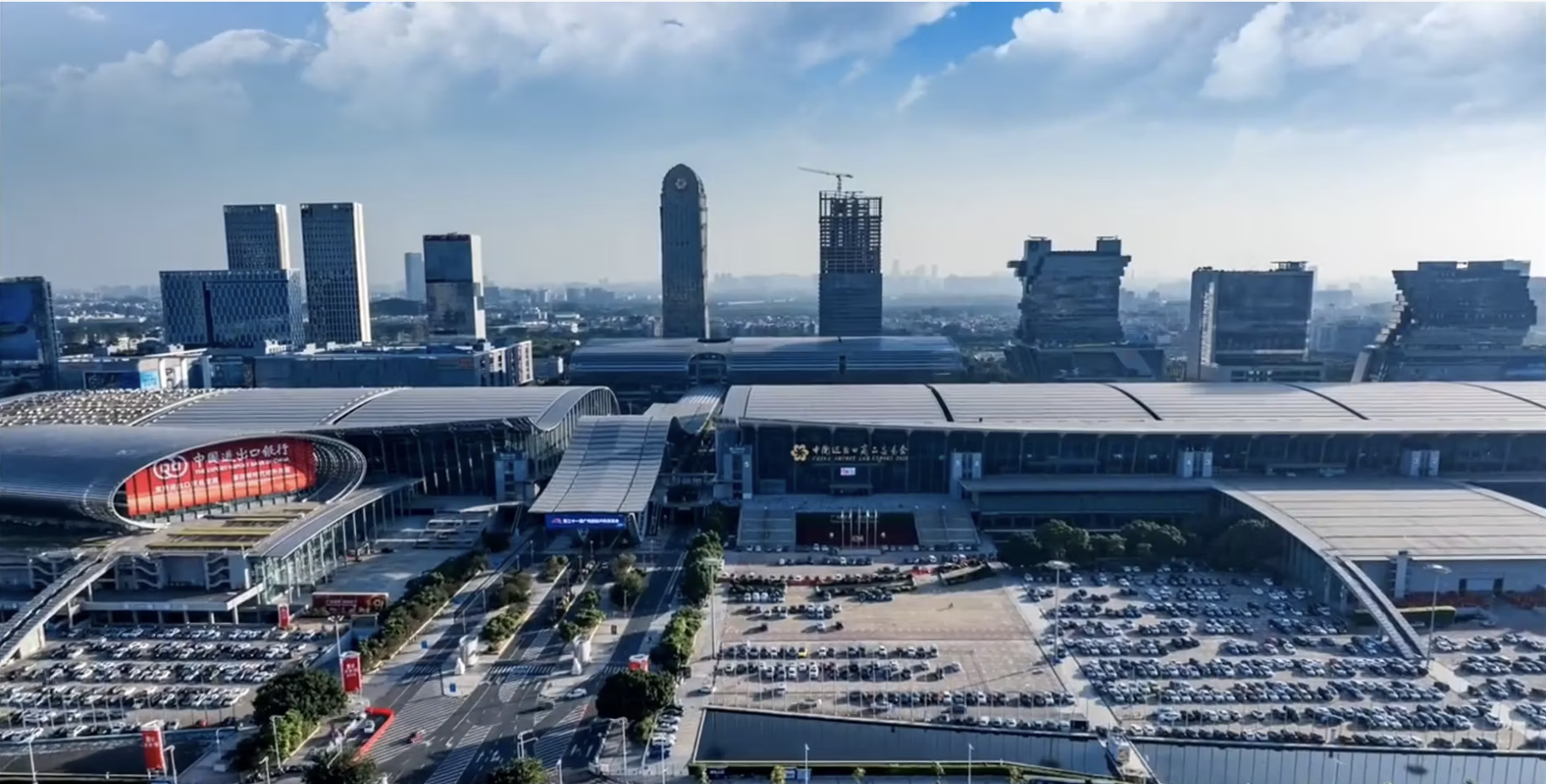
Guided sourcing tours pair you with an on-the-ground team at a trade show, so your time goes to the right booths, meetings are translated, and promising suppliers are followed up properly after the fair.
For Kiwi buyers, a trade show trip is a big investment of time and money. A plan makes it count.
Free Download: Manufacturer Red Flags Checklist
Ten warning signs to check before you commit to a new manufacturer.
Download the Free Checklist ↗What does a guided sourcing tour include?
A guided tour is a planned trade show trip with a sourcing team beside you. You make the buying decisions, and the team handles the groundwork that eats time.
- Pre-trip planning: which fair or phase suits your products, and which booths to see.
- Meeting support: live translation and clear questions for each supplier.
- Booth scoring: a simple scorecard so you compare suppliers fairly.
- Factory visits: trips to shortlisted makers when time allows.
- Follow-up: samples, quotes, and checks after you fly home.
What happens on a guided sourcing tour day?
Every day follows a plan built around your product list. The aim is fewer wasted steps and better notes by the evening.
- Morning briefing: review the day's halls, booked meetings, and the questions that matter most.
- Planned booth visits: start with pre-booked suppliers while you are fresh and the halls are quieter.
- Open walk-throughs: scan nearby booths in your category for makers you did not know about.
- Translated conversations: your guide keeps questions precise and notes answers word for word.
- Evening review: score every serious booth, sort leads, and adjust the next day's route.
Days are long and halls are large. Comfortable shoes and a realistic route matter more than seeing everything.
How do you prepare before the fair?
Preparation decides most of the result. A buyer who arrives with a clear brief gets better answers in less time.
- Confirm the right phase: large fairs run by product category, so check dates before booking flights.
- Write a one-page brief: product, materials, target quantity, packaging, and the standards your market requires.
- Set a target price range: so you can spot quotes that are too high or suspiciously low.
- Pre-book key meetings: walk-ups work, but planned meetings get senior staff and real answers.
- Know your import rules: check what NZ Customs and MPI expect for your product before you talk to suppliers.
- Agree your must-haves: decide what you will not compromise on, such as material or certification.
What should you bring to a trade show?
Pack for long days, lots of conversations, and fast note-taking. Small items make a big difference by day three.
- Printed briefs: one page per product, in English and Chinese where possible.
- Business cards: plenty of them, plus a way to label the cards you collect.
- A booth scorecard: the same short list of criteria for every supplier.
- Phone and power bank: for photos of products, price lists, and booth numbers.
- Reference samples: a current product or competitor-style example helps factories quote accurately.
- Comfortable shoes and water: you will walk a lot more than you expect.
How do you compare suppliers on the floor?
Booths are designed to impress, so compare the business behind them. A fair scorecard stops the most polished stand winning by default.
- Factory or trader: ask where the factory is, and whether you can visit it.
- Product fit: do they already make items close to your spec, in your material?
- Minimum order quantity: confirm it per item and per colour, not just overall.
- Sample terms: cost, timing, and whether the fee is credited to a first order.
- Compliance knowledge: can they talk clearly about the testing your market requires?
- Communication: clear, direct answers now usually mean smoother orders later.
Sourcing Hack: Score every serious booth the same day while details are fresh. By day three, unlabelled cards all look the same.
How do you follow up after the fair?
The fair starts relationships. Follow-up is where you find out which suppliers are serious.
- Send follow-ups within days: recap what was discussed and attach your brief again.
- Request written quotes: with the same specs for every supplier so prices compare fairly.
- Order samples from the shortlist: check each one against your brief, not against the booth display.
- Verify before deposits: confirm business details and visit or audit the factory.
- Plan the first order: agree specs, inspection points, and payment terms in writing.
For phase planning, read navigating the Canton Fair and global trade shows. Before deposits, see why on-site factory visits matter.
Which buyers get the most from a guided tour?
Guided tours suit businesses that need to see many suppliers quickly and cannot afford a wasted trip. They are also useful when a product is new to you.
- Retailers adding a category: meet several makers side by side and compare them on the same day.
- Founders launching a first product: get help asking the right technical questions from the start.
- Brands reviewing current suppliers: benchmark existing pricing and quality against new options.
- Teams short on time: a planned route means fewer days away from the business.
If you are unsure whether a trip is worth it yet, start with a short call to talk through your product list and timing.
Guided tour vs going solo: which is better?
Both can work. The right choice depends on your experience, your product, and how much time you have.
- Going solo suits: experienced buyers who know the fair, speak the language, and already have supplier contacts.
- A guided tour suits: first-timers, new product categories, and anyone with limited days on the ground.
- Language: a guide keeps technical questions accurate, which reduces costly misunderstandings.
- Time: a planned route and booked meetings mean more useful conversations per day.
- Follow-through: a local team can chase samples and visit factories after you fly home.
How do you measure trade show ROI?
- Set goals before you go: for example, a shortlist of verified factories per product.
- Count qualified leads, not cards: suppliers that meet your spec and answered key questions.
- Track samples ordered: and how many pass your checks.
- Track orders placed: the real measure of a successful trip.
FAQs
What is a guided sourcing tour?
It is a trade show or factory trip supported by an on-the-ground team that plans meetings, translates, and follows up.
Is a guided tour worth it for a first trade show?
It often helps first-timers most, because planning and translation save time on the floor.
How far ahead should I plan a trade show trip?
Start early enough to confirm the right phase, book travel, and pre-book key meetings. Last-minute trips usually mean fewer planned meetings.
Can a tour include factory visits?
Yes, when your shortlist is ready and travel time fits the trip.
How do I tell a factory from a trading company at a booth?
Ask where production happens, request the factory address, and ask to visit. A verified site visit is the clearest answer.
Should I place orders at the fair?
It is usually safer to collect quotes and samples first, then verify the supplier before paying any deposit.
What should I bring home from a trade show?
Scored notes, supplier contacts, sample quotes, and a short list of factories per product.
Can Kiwi buyers get help without travelling?
Yes. A sourcing team can walk the fair on your behalf, share notes and photos, and follow up with suppliers for you.
Planning a trade show trip?
Book a free 15-minute sourcing consult with Epic Sourcing NZ.
Book a Free 15-Minute ConsultRelated Articles

Let’s Make It Epic
We're here to make sourcing simple – and a whole lot less stressful.
We are experiencing a higher volume of enquiries than usual. Our standard reply time for form submissions and emails is within 72 hours.
If your matter is urgent, please schedule a video call using the link below.
