

Sourcing for Product Prototyping: From Concept to NZ Shore

Last updated: 19 October 2026
Product prototyping sourcing means finding the right factory to turn your idea into a physical sample, then refining that sample until you're happy to sign it off. It's the cheapest stage to catch mistakes, so it pays to get it right before you order in bulk.
This guide walks Kiwi founders through the brief, the shortlist, the sample rounds, and the hand-off to production.
Free Download: Supplier Verification Checklist
Eight checks you can run yourself before you send a new supplier any money.
Download the Free Checklist ↗What does product prototyping sourcing involve?
It's everything between your concept and your first purchase order. The goal is simple: a sample that matches what you will sell.
- A written brief: what the product does, who uses it, and what it must never do.
- A factory shortlist: makers that already work in your material and process, not general traders.
- Sample rounds: each round fixes an agreed list of changes, and nothing else.
- A signed golden sample: the approved reference that every production run gets checked against.
How do you write a brief a factory can work from?
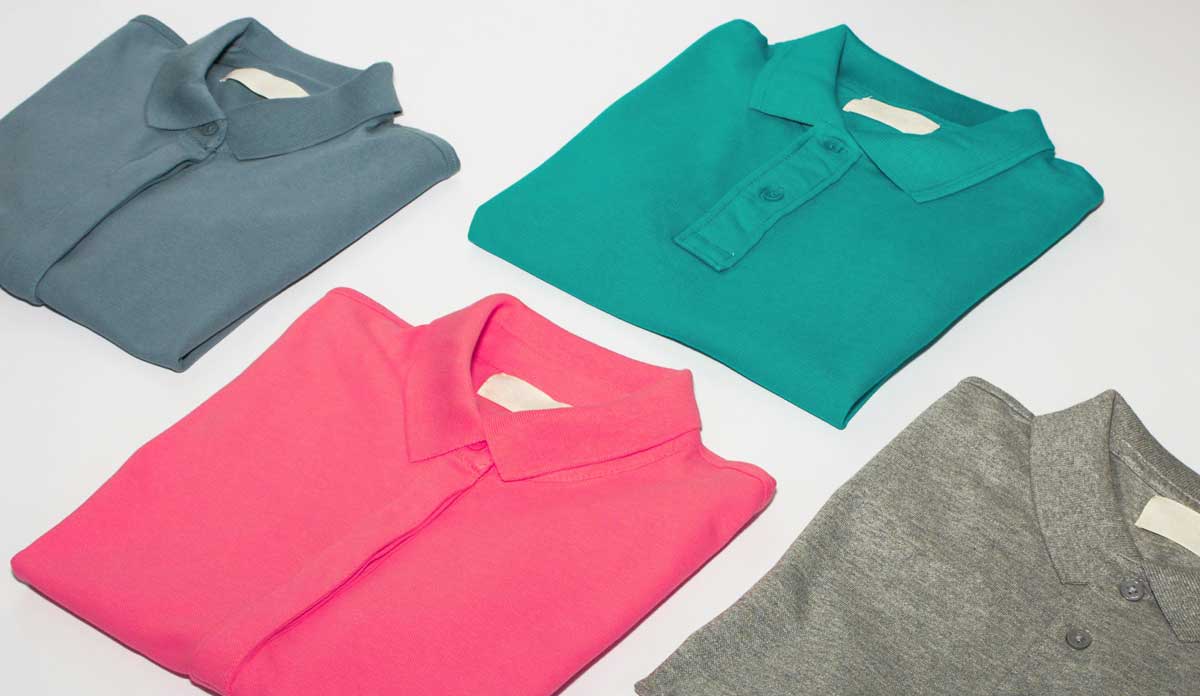
A good brief is short, visual, and specific. If a factory can't quote from it, it's not ready yet. For sewn products, this brief is often called a tech pack.
- Sketches or CAD files: CAD means computer-aided design, a digital drawing, often in 3D. A clear hand sketch with measurements is also a solid start.
- Size and tolerances: the measurements that matter, and how much each one can vary.
- Materials and finishes: name them as exactly as you can, such as food-grade silicone or brushed stainless steel.
- Use and abuse: how people will use it, misuse it, and what it must never do.
- Rules for New Zealand: labelling, safety, and material requirements that apply where you'll sell.
- Target quantity and price: a rough first order size and the cost range that makes the product work.
How do you choose a factory for prototypes?
Pick makers by process first, then by attitude. A factory that's great at mass production isn't always keen on small sample work.
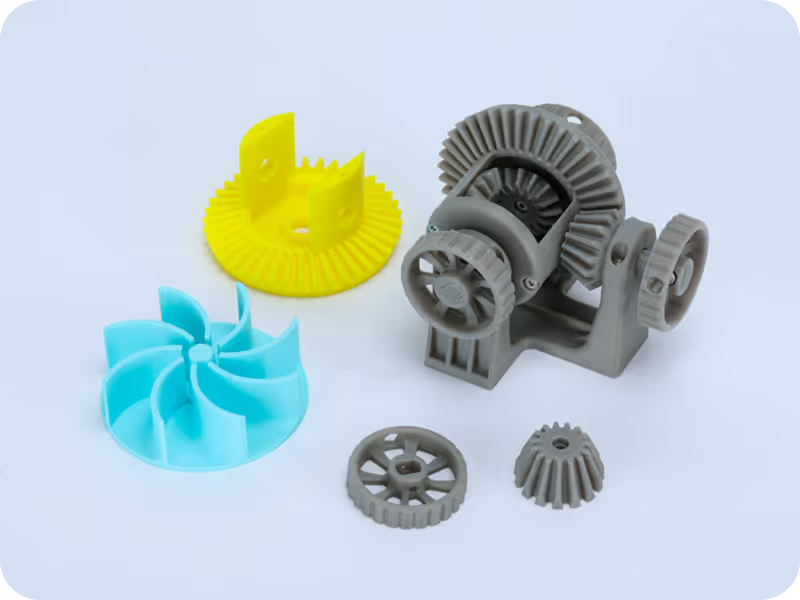
- Match the process: injection moulding forces melted plastic into a steel mould. CNC machining cuts parts from a solid block with computer-guided tools. Sewing and 3D printing suit other products and stages.
- Check sample terms in writing: what you pay, how long it takes, and whether the fee is credited against a first order.
- Own your tooling: tooling is the mould or fixture made for your product. You should own it, and that should be confirmed in a signed tooling agreement before you pay the deposit.
- Protect your design: share only what each maker needs, and sign an NNN agreement before full drawings change hands.
- Verify the business: confirm the factory exists and makes what it claims before you pay a sample fee.
Before you pay any new maker, run through the manufacturer red flags checklist. It's a quick way to spot trouble early.
How do you run sample rounds without losing months?
Keep each round tight and documented. Most delays come from vague feedback and changing your mind mid-round.
- Agree the change list: before each round, write down exactly what will change.
- Version every sample: label each one V1, V2, V3.
- Test against the brief: check size, finish, and function, not just whether it looks nice.
- Hold it in your hands: photos hide a lot. If you can't hold it, use a live video check.
- Sign the golden sample: keep one approved sample with you, and one at the factory.
Samples entering New Zealand must clear NZ Customs and the Ministry for Primary Industries (MPI). Natural-material samples, such as wood or bamboo, must meet MPI's Import Health Standards, even by courier. Allow time for border checks.
What happens between the final sample and mass production?
Between the final sample and mass production, you confirm the specs, approve the first parts off the mould, and sign a golden sample.
- T1 sample: if your product needs a mould, the first parts made from the finished mould are called the T1 sample. Check them closely against your approved prototype.
- Corrections: the factory adjusts the mould to fix any issues, and sends new parts to check.
- Pre-production sample: a few units made on the line that will run your order, with final materials, colours, packaging, and labels.
- Golden sample: once the pre-production sample passes, it's signed by you and the factory as the reference for every run.
Then plan inspections and link payments to milestones, such as an inspection pass. If you plan to visit the factory before production, read why on-site factory visits matter.
How can a sourcing agent help with prototypes?
A sourcing agent gives you people on the ground who can check samples before they're sent to you. Our team in China visits factories, checks each sample round against your brief, and sends you photos and video so you can decide faster.
We also help with the tooling and NNN agreements and the step to a first order. See our Product Development package, or compare all options on our pricing page.
FAQs
How many sample rounds should I expect?
Plan for two rounds, and be ready for a third. A clear brief and a written change list for each round usually keep the number down.
Should I protect my design before sharing it?
Yes. Ask the factory to sign an NNN agreement, which covers no disclosure, no use, and no going around you to sell direct. No agreement is a full guarantee. New Zealand trade marks, designs, and patents don't protect you in China, which is first to file, so get advice on registering there before you share full drawings.
Who owns the mould if I pay for it?
Paying for a mould doesn't prove you own it. Make sure a signed tooling agreement says you own the mould before you pay the deposit, and that it covers what happens if you move factories.
Can I prototype with one factory and produce with another?
Yes, if your tooling agreement lets you take the mould with you.
What is a golden sample?
It's the final approved sample, signed by you and the factory.
What is the difference between a looks-like and a works-like prototype?
A looks-like model shows shape, colour, and finish. A works-like model proves the product does its job. Many products need both before sign-off.
Do I need CAD files before I start?
No. A clear sketch with measurements, photos of similar products, and a written brief are enough for a factory to start. CAD files can come later.
Are sample fees refundable?
Not usually. Sample fees are usually credited against your first order instead. The credit often has conditions, so get the terms in writing. Moulds are charged separately.
Can my samples be held at the New Zealand border?
Yes. Samples made from natural materials such as wood, bamboo, or plant fibre must meet MPI Import Health Standards, even when they arrive by courier or are free.
Can Epic Sourcing NZ help with my prototype?
Yes. Our Product Development package covers the brief, factory shortlist, sample checks, and hand-off to production.
Got a product idea and a rough brief? That's plenty to get started.
Planning your first prototype?
Book a free 15-minute sourcing consult with Epic Sourcing NZ.
Book a Free 15-Minute ConsultRelated Articles



Let’s Make It Epic
We're here to make sourcing simple – and a whole lot less stressful.
We are experiencing a higher volume of enquiries than usual. Our standard reply time for form submissions and emails is within 72 hours.
If your matter is urgent, please schedule a video call using the link below.
